Whether you’re buying dedicated solo emails, newsletter sponsorships, or native email ads, email advertising is consistently the king of ROI for generating new leads and customers
Just how much bang for your buck can you expect to get out of email marketing campaigns? According to one study, each dollar invested in email campaigns yields $44 on average in return. Also, consider that 91% of users like getting emails from companies they do business with, and it’s clear why email is the largest source of new revenue for 59% of marketers.
One of the most overlooked but best ways to acquire new leads and customers to market to via email is — surprise, surprise — email advertising. That’s because prospects who initially engage with your brand in the email medium tend to purchase at far higher rates in this same medium compared with leads that come from other channels, including social media. If you’re targeting older, wealthier audiences, then email is hands down the channel with the best reach.
Download our Individual Member Resource – Email sequence contact strategy template
This spreadsheet is a template for marketers to create a messaging sequence that supports their business for the range of potential behavioural or event-triggered campaigns.
Access the Email sequence contact strategy template
Whether you’re buying dedicated solo emails, newsletter sponsorships, or native email ads, email advertising is consistently the king of ROI for generating new leads and customers. So while some pundits proclaim the death of email, research shows that email is alive and well — and a great way to grow your business.
Four common email advertising mistakes — and how to fix them
If you’re new to email advertising or have been unsuccessful in the past with renting email lists to promote your product or service, there are some common pitfalls you should avoid that could make all the difference in whether you’re able to successfully scale the email channel:
1. Not taking a portfolio approach to buying lists
Email advertising has historically been a “spray and pray” channel: You rent a list for a flat price, and all the money is spent the second the publisher hits send. All you can do after that is hope and pray for positive results. If the drop performs well, then you add that list to your winning portfolio and secure regular ongoing monthly drops. If the campaign underperforms, you either drop it in the losing portfolio and never mail it again, or you can often negotiate make-goods or better rates with the publisher and turn that initial loser into a winner.
Unfortunately, too many marketers either run for the hills at the first sign of failure or avoid the channel entirely out of fear or inexperience. Of course, with risk comes reward. If you’re willing to invest time and money on testing, you can ultimately build a winning portfolio of lists that you can mail successfully over and over again with far less competition than on other advertising channels.
One way to mitigate your downside with email advertising is to model what your competitors are doing, especially if they’re consistent mailers and have done a lot of testing. Obviously, you don’t want to plagiarize, but you definitely do want to learn on their dime. Success leaves clues, so test the lists you consistently see them advertising in first, write similar ads (just make yours different and better), etc. There’s no need to reinvent the wheel; just model their success and iterate from there.
2. Not optimizing for mobile
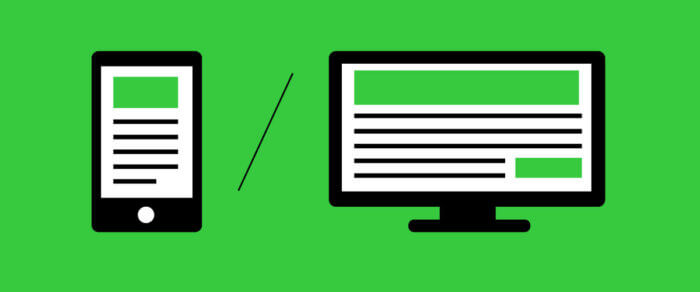
With more than 50% of emails being opened on mobile phones, your emails are likely to be deleted within three seconds if they’re not optimized for mobile. In addition to your emails, your landing pages absolutely must be optimized for mobile as well — especially if they use video — or you risk potential customers bouncing from your page immediately. Because Google increasingly favours mobile over desktop in its search results, mobile optimization is increasingly important. Failing to optimize for mobile amounts to throwing away half of your ad spend, which can make all the difference when it comes to campaign success or failure.
Optimize for every device using services like Litmus to test your HTML email design on various platforms. Similar services like Unbounce can also be used to create mobile-responsive landers, ensuring that every part of the process is mobile-friendly.
3. Not taking advantage of A/B split testing
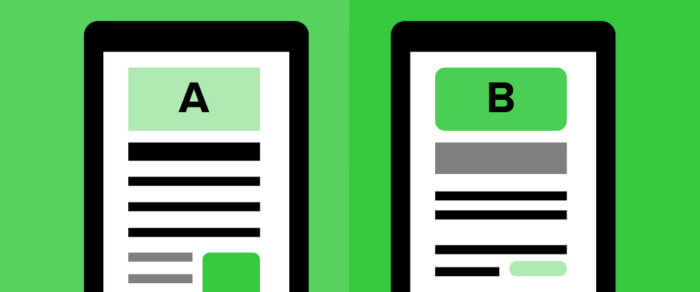
Often, one great subject line or creative will outperform the rest by a significant margin, so split testing is critically important for optimizing your performance (from open rates to clickthrough rates to conversions). Most email publishers will allow you to A/B split test at no extra charge, so if you’re not A/B testing, you’re leaving money on the table.
To maximize your testing, write multiple subject lines, try different copy angles, test with and without images, and experiment with short copy versus long copy. The key is to test one element at a time against the control to discover what works best. Then scale with the winners while you continue to test new ideas to beat your controls.
Your test results will quickly reveal where the bottlenecks are and will provide you with a clear path to success. For example, if the open rates are weak, you need to work on your subject lines; if your clickthrough rates are low, then tweak your creatives and calls to action; and if your conversions are low, then spend time improving your landing pages and funnel. Constant and never-ending improvement is how you’ll succeed, so keep testing and never stop iterating.
4. Not expanding your reach beyond your industry
Confining your campaign to a single industry vertical typically limits your scalability because you can often find lists in “lateral” verticals that will reach the same audience and will deliver strong ROI because there’s less competition and/or the prices are lower.
For example, there is often an audience overlap between financial and health-related lists because each typically targets an older, wealthier demographic. However, the financial lists are typically more expensive, so while mailing a financial offer to a health list may not seem like an obvious choice, it can often perform well.
That said, when you’re just starting out, it clearly makes sense to begin with the most targeted lists for your product or service. But once you’ve achieved initial success, I recommend that you continue to explore the limits of just how broad you can go for maximum scale.
So returning to that earlier example, if you’re promoting a financial offer, it makes sense to start buying drops on financial lists, but then look to broaden to political lists, faith-based lists, health lists, survival lists, and so on.
And there you have it. While social media advertising is all the rage for many advertisers today, email advertising is still a force to be reckoned with and should be included in your media mix, especially if sending follow-up email promotions, upsells, cross-sells, or affiliate offers to your clients and prospects is a key component of your business model.
Simply avoid the four mistakes described above, and you’ll instantly increase your chances for success with email advertising. If this all feels a bit overwhelming and you don’t know where to start, a shortcut to success is to simply leverage the buying power, relationships, and “insider knowledge” that reputable email ad agencies and list brokers can offer you — just make sure to check their references!
Drew Kossoff is an entrepreneur, conscious capitalist, and the CEO of Rainmaker Ad Ventures, one of the fastest-growing digital media buying agencies in the U.S. With more than $100 million in media buying experience, Drew and his team specialize in delivering high-volume email, display, and native advertising traffic for a growing number of the internet’s top direct response marketers.