Agility is the key to staying at the cutting edge of a changing industry
We live in a world full of ever-evolving technology. Marketers don’t have the luxury of relying on a single technique for very long. Things change quickly, from new products to innovative technology to customer expectations.
The days of keeping the same marketing techniques for years are over.
It’s a new era for businesses across all industries, and you must adapt quickly to survive the shifting ecosystem.
That’s where agile marketing comes into play.
What is Agile Digital Marketing?
The definition of agile digital marketing is notoriously hard to pin down, but Jim Ewel of AgileMarketing.net this definition:
Agile Marketing is an approach to marketing that takes its inspiration from Agile Development and that values
Responding to change over following a plan
Rapid iterations over Big-Bang campaigns
Testing and data over opinions and conventions
Numerous small experiments over a few large bets
Individuals and interactions over target markets
Collaboration over silos and hierarchy
Essentially, agile digital marketing is a way of managing your marketing department, projects and campaigns that helps you deal with fluctuating priorities, the evolving needs of the customer and new technological developments.
Agile marketing makes this possible through:
● Allowing a rapid response to industry developments.
● Using adaptive strategic planning.
● Communicating in an honest, transparent way.
● Working in iterations.
In the past, large corporations avoided this type of marketing. They would hide behind policies, systems and rules. But we now live in a social era that demands honesty and transparency. Companies just can’t get by with their old habits.
An agile marketing plan embraces the unexpected by listening, responding and adapting to the demands of both the customers and the industry.
Bonus Tip: Use the 70:20:10 Rule
I realize that the definition I gave above for agile digital marketing may seem a bit abstract.
To provide a clearer picture, I’d like to relay some very practical advice I learned from Ashley Friedlein and is described in this Smart Insights article by Dave Chaffey on the 70:20:10 rule which states that you should break up your marketing endeavours according to the following percentages:
- 70% should be your planned, marketing as usual activity.
- 20% should be automated, programmatic marketing.
- 10% should come from agile marketing efforts.
I’ve found that many find the concept of rapid response and adaptation quite overwhelming. (And it can certainly get overwhelming!) That’s why I like this breakdown. It keeps the agile responsibilities at a minimum, which can make things much less stressful for companies that are new to this paradigm.
Oreo: An Example of Agile Done Right
Before we learn how to implement agile, I want to show you what it looks like in practice. And what better example than from everyone’s favorite group of agile marketers?
The creative team at Oreo produces masterful agile content on a regular basis. A few of my favorites include:
- The Daily Twist – A 100-day campaign centered around cultural happenings and calendar events to celebrate their 100th anniversary.
- An Elvis-shaped Oreo to recognise the King.
- A red Oreo as Mars to mark the Mars Rover landing.
- The milk bottle and Oreo to commemorate the birth of Prince George
Each of these prepared the team for what has become the ultimate example of agile marketing. You know the story. The lights go out at the 2013 Superbowl, and in the midst of the darkness Oreo took the moment to shine.

Each of these examples from this brilliant company can teach us a few different things:
- Your agile marketing should always stay on-brand.
- Don’t be afraid to add a bit of wit and humor to the conversation.
- Great agile marketing shows your humanity and skyrockets engagement.
If you’re looking for a source of inspiration, look no further than this world-class example.
How to Implement Agile Digital Marketing
Now, on to the really good stuff. How to implement agile digital marketing for your business...
You understand the basic components of agile and have seen a couple of great campaigns in action. But what does it really take to implement an agile strategy?
Before I answer that, I’d like to point out something very important: businesses of all sizes can utilize this methodology. You don’t need a huge team to start using agile strategies in your business. All it requires is a bit of creativity and a ton of dedication.
Once you have those things, you’re good to go. Then, it’s just a matter of setting up the system.
Setup a System for Listening
An agile strategy starts when you embrace listening. If you’re not keeping an ear to the ground, you’ll miss great opportunities to make an impact. How you listen depends on your preferences, but I’ve outlined a couple of different options here.
Social Media
Social media is the perfect platform for agile listening. I like using a combination of Reddit and Twitter to get the jump on breaking news. Facebook is becoming a decent competitor for this need as well.
Pro tip: Invest in a social listening dashboard like Hootsuite or Sprout Social which will make keeping up with trends, keywords and accounts much easier.
Google Alerts
Create a Google Alert for relevant keywords and phrases to your company. Set the frequency to email you as it happens. Just make sure to only pick keywords that reflect breaking news; otherwise, you’ll end up with a very crowded inbox.
Pro tip: Use Warble Alerts as well. It’s a tool designed for Twitter that functions similarly to Google Alerts. You can track keywords, phrases, #hashtags and @mentions.
Prepare to Respond Quickly
When something happens, you need to respond as soon as possible. This is where small businesses often have an advantage over large companies. Small businesses and startups can land great exposure with strategic agile marketing.
Meanwhile, corporations often need to jump through hoops of lawyers and policies. And unless you can afford a 24/7 lawyer retainer with a 5-minute turnaround, it’s just not feasible. Small businesses can avoid this hurdle.
The quicker you respond, the better. Oreo’s dunk in the dark image made an impact because it happened in real-time. If the company would have waited a few hours, it may have still been funny, but it wouldn’t have changed the way we look at digital marketing like it did.
If you want to go agile, you have to go quick
Follow an Iterative Process
Most marketing strategies you see use a waterfall methodology, which reflects the idea of going through a development process that relies on completing rigorous steps in sequential order.
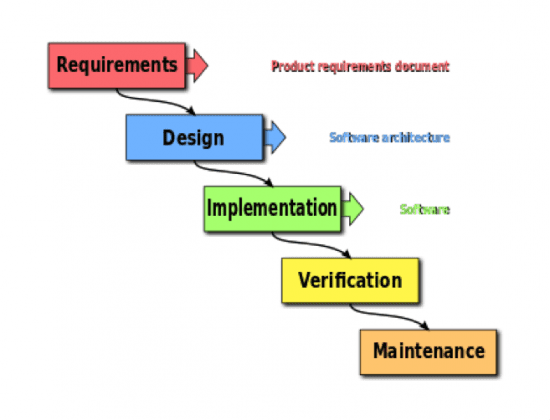
Don’t get me wrong, these strategies still have their place. But they make real-time, agile marketing difficult for a few reasons:
- It’s expensive and challenging to refine your strategy (and forget iterating in the moment).
- Long development cycles make the campaign outdated by the time of release.
- There’s a longer response time, given the steps and hurdles.
Instead, try to follow an iterative process in your marketing efforts. This means that you take an approach that includes:
- Testing the hypothesis (i.e. marketing concept) in a small environment.
- Quickly assessing the results of the campaign.
- Refining and adjusting your strategy to accommodate new findings.
Agile Marketing Resources
If you’d like to learn more about agile digital marketing, I’ve compiled a list of helpful resources. Use them to get a deeper understanding on the topic and how you can apply it to your business.
If you’re still confused about what agile digital marketing is and how your company can take advantage of this new paradigm, these resources will give you plenty of information to get started.
Are you using agile marketing in your business? Do you have any future plans for incorporating agile into your marketing strategy?
I’d love to hear your plans and/or success with agile marketing in the comments below!
Header image: Flickr

Thanks to
Aaron Agius for sharing his advice and opinions in this post. Aaron is an experienced search, content and social marketer who has worked with some of the world’s largest and most recognized brands to build their online presence. See more from Aaron at the
LouderOnline blog, follow him on
Twitter or connect on
LinkedIn.