It’s not always easy to tell at a glance which social media platform will offer the most opportunities for your brand
The past decade’s explosion in social media marketing has made it more important than ever to know how to effectively deploy a limited paid social budget. With so many social media platforms around, many small- and medium-sized businesses are focusing on cultivating a strong presence on one platform. It’s a good way for a business to avoid spreading its social budget too thin - but it does require choosing the right platform.
The truth is that it’s not always easy to tell at a glance which social media platform will offer the most opportunities for your brand. It takes some research, vision, data-crunching and possibly a little soul searching about what your business is here to accomplish. If that sounds like a tall order, don’t worry. We’ll help you break it down.
Download our Individual Member Resource – Digital media options cheatsheet
Keep up to date with the latest changes to organic search, paid media, and social media platform updates with our cheatsheet. Whether you want info on Google, Facebook Ads, or Instagram, we've got you covered.
Access the Latest digital media updates tracker
Factors to Consider in Choosing Your Social Platforms
To get started in your search for the right social media platform, take some time to answer these questions about any platform you’re considering.
- What demographics do the platform’s users belong to and which ones are most active on it?
- For what purposes do brands usually use the platform?
- How much does it cost to advertise on the platform?
- How precise are the platform’s demographic targeting tools?
- What kind of media features does the platform support?
- In what ways can a user interact with a post or page on the platform?
- What tools are available to enhance and support the platform?
Look at how the answers to these questions line up with your goals and strategies for your brand. For example, if you’re pitching your product to a demographically diverse audience of consumers, Facebook’s ubiquity and reach might be what you need. Meanwhile, a highly specialized brand with mostly B2B customers might be better off choosing LinkedIn.
To jump-start your research, here are some fast facts about the three most popular social media ad platforms: Facebook, Instagram and YouTube. Each offers a unique set of tools for reaching your audience and it’s up to you to figure out which will reach your's best.
Facebook
Facebook is so closely associated with the concept of social media that the movie about its founding was called 'The Social Network'. It has 218 million monthly active users in the United States and well over a billion globally - by far the most of any social platform.
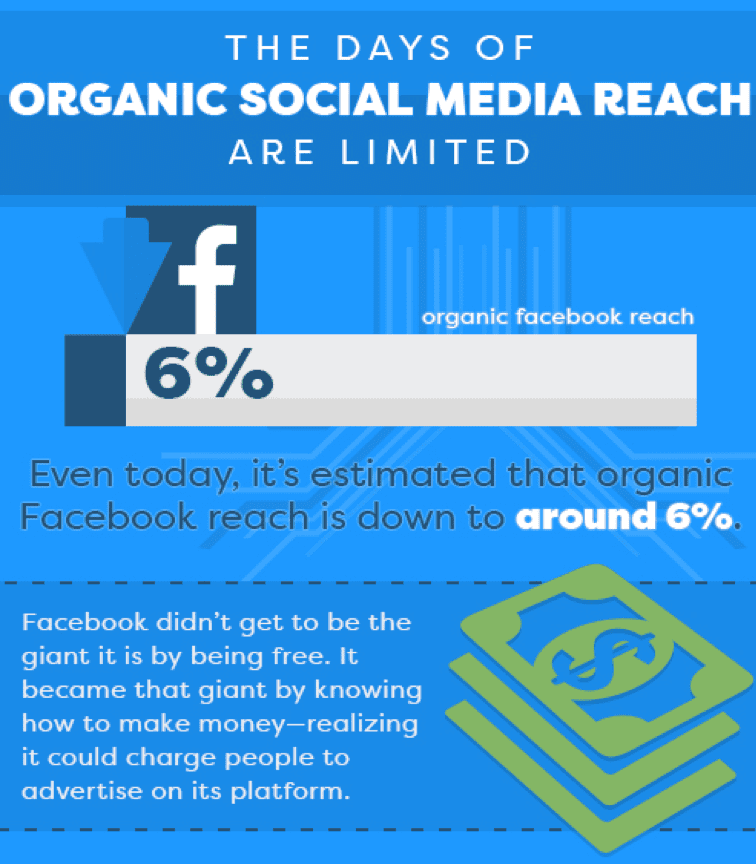
However, some recent studies show that Facebook’s hold on younger users is slipping, and it recently changed its algorithm to reduce the visibility of ads and other public posts. It’s estimated that organic Facebook reach is down to around 6%. Nonetheless, it remains the biggest power player in social media advertising.
- Strengths: Nearly everyone uses it at least a little bit. Great for promoting events. Powerful and easy-to-use demographic targeting tools.
- Weaknesses: Declining appeal for younger users. Some advertisers no longer trust Facebook after the company was caught inflating its metrics on video views. Tweaks in the visibility algorithm have made it hard to predict the organic reach of your ads.
- Key Tips: Keep your sponsored ad text short and sweet and make sure your images are crisp, attractive and high-resolution. User segmentation tools are powerful, so make sure you’re using them to their fullest effect. Facebook boasts a high-quality set of tools for split testing the performance of your ads.
Instagram
While it’s a little bit shy of Facebook’s sheer numbers with close to one billion total users, Instagram has massive cultural relevance on its side. It’s the social media playground of models, musicians, reality stars and other celebrities, and many advertisers ride that wave to success. Instagram is also known for influencers, social media stars (or stars-to-be) who are paid by advertisers to endorse their products and influence their followers to buy them.
Instagram ads have the highest engagement rate of any major social platform, although they also typically cost more. Their visually-oriented nature demands a well-developed visual brand, as the ROI on text-heavy ads is typically poor. Like Facebook (which owns Instagram), its algorithm is constantly changing to prioritize the content that its users interact with the most.
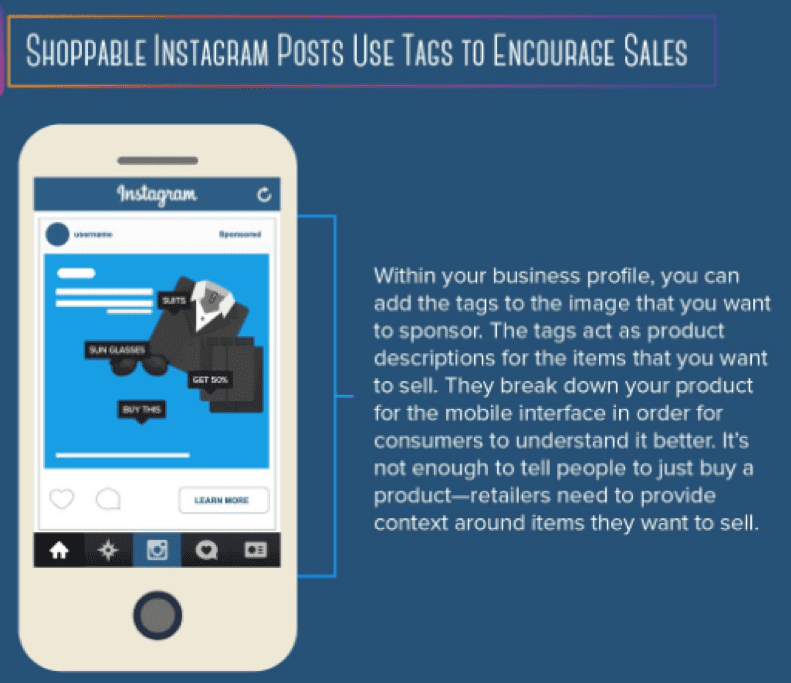
- Strengths: Ads have a notably high engagement rate. The visual format is great for fashion, design and even food. A large and active community of influencers can help get your product in users’ feeds. It is also becoming one of the easiest and fastest growing ways for consumers to purchase directly from their feed using shoppable posts.
- Weaknesses: Not ideal for targeting older audiences (most users are under 35). More expensive than Facebook ads and possibly subject to the same de-prioritization. Influencer marketing can be tricky to get right.
- Key Tips: Keep your branding simple, memorable and visually appealing. Post stories to keep your followers engaged. Don’t try to game an algorithm that’s always changing. Focus on creating engaging content that users want to like, share and comment on.
YouTube
With over 100 hours of content uploaded every minute, YouTube is big, loud, somewhat unruly and massively influential. If you can cut through the noise, there are big rewards to be found. Many marketers consider YouTube ads to be the successor to television ads.
YouTube is a key platform for industries that benefit from product demonstrations such as cosmetics, food, tools and more. The Google-owned platform has also been busy expanding its offerings to advertisers. One of the best new tools for YouTube advertisers is TrueView, a type of ad that lets viewers choose ads that interest them more. With these ads, advertisers only pay for ads that viewers watch to the end or click on.
- Strengths: Great for demonstrating products in action. Offers numerous different formats for your ads. An enormous user base.
- Weaknesses: The massive amount of content can make it hard to stand out. Recommendation algorithms are unpredictable and may create unwanted associations.
- Key Tips: Use TrueView so that you’re only paying for ads your customers actually watch. Choose your keywords carefully to steer your ads away from videos on controversial topics (unless that’s what you want).
Conclusion
The options, of course, don’t end there. LinkedIn, Pinterest, Twitter and numerous other specialty platforms offer unique tools for branding and customer engagement. We mentioned Facebook, Instagram, and YouTube because they tend to provide the most visual impact for end users. But if your strategy does not necessarily require such eye-catching marketing or your audience is less present on these platforms, we highly encourage you to explore alternatives to figure out what is best for your business.
No matter what platform you’re using, though, there are a few basics that remain the same: Do your research, test and retest, start small and, as always, know your customer and what they want.
Ronald Dod is the Chief Marketing Officer and Co-founder of
Visiture, an end-to-end e-commerce marketing agency focused on helping online merchants acquire more customers through the use of search engines, social media platforms, marketplaces, and their online storefronts. His passion is helping leading brands use data to make more effective decisions in order to drive new traffic and conversions.