

ChatGPT’s $100M Ad Sprint Reveals the Friction Points Google Never Had
OpenAI’s 600 early advertisers hit $100M revenue in 6 weeks, but CTRs trail Google Search. Why conversational ads need different success metrics…
Essential 
The rules of content optimization just shifted. Again.
While marketers have spent years perfecting content for human readers and traditional search algorithms, a new player demands attention: AI agents that parse, summarize, and act on your content within seconds. These aren't the passive crawlers we've grown accustomed to. They're decision-making entities with strict limitations and specific preferences.
Addy Osmani's analysis, Google's AI engineering director, cuts through the speculation with concrete guidance. Front-load answers within the first 500 tokens, he advises, as agents have limited patience for preamble. Keep quick starts under roughly 15,000 tokens, conceptual guides under 20,000 tokens, and individual API references under 25,000 tokens when possible.
But here's the tension most publications miss: optimizing solely for AI agents risks alienating the humans who still make purchasing decisions.
The tempting path is to choose sides. Optimize for humans and hope AI agents adapt, or restructure everything for machine consumption and assume humans will follow. Both strategies ignore a fundamental shift in how content gets discovered and consumed.
AI agents don't just crawl and index anymore. They actively truncate, skip, and poorly chunk content that exceeds their context windows. Search Engine Land's coverage of Osmani's recommendations makes this clear: long, bloated pages increase odds of truncation, skipping, or poor chunking by agents within limited context windows.
Meanwhile, humans still need compelling headlines, smooth reading experiences, and content that addresses their emotional and logical needs throughout the buyer journey.
Google Cloud provides the clearest example of getting this balance right. They've released an open-source audit tool called "agentic-seo" that checks signals like token counts, markdown serving, llms.txt, and AGENTS.md files. More importantly, they're restructuring documentation for agent readability while maintaining human usability.
The approach works because it recognizes that AI agents and humans often want the same thing: clear, actionable information delivered efficiently. The difference lies in presentation and structure.
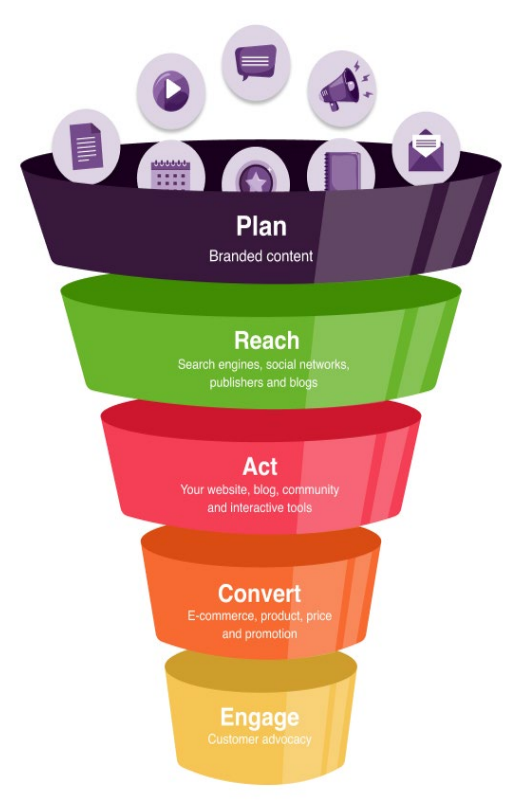
Consider how this affects your Reach strategy within our RACE framework. Content that ranks well and gets parsed accurately by AI agents expands your visibility across both traditional search and AI-powered answer engines.
Critics argue that Agentic Engine Optimization overemphasizes AI-specific tweaks at the expense of human users, potentially diluting core SEO principles. HubSpot's analysis warns that without human-focused structure addressing intent directly, brands won't appear in AI answers regardless of agent optimizations.
This criticism has merit. Content must remain the backbone since AI only summarizes existing material. But the argument for unification rather than replacement strengthens the case for dual optimization, not against it.
Start with content structure. Place your core answer in the first 150 words for humans scanning quickly, which coincidentally serves the 500-token front-loading requirement for AI agents. Use clear subheadings that work as both human navigation aids and agent parsing signals.
Remove navigation noise from your main content areas. Sidebars, footers, and promotional elements that help human users can confuse AI agents trying to extract clean information. Consider serving cleaner versions through structured data or separate endpoints.
Test token counts before publishing. While exact optimization isn't necessary, understanding when you're pushing against the 15,000-20,000 token recommendations helps identify content that might get truncated or skipped entirely.
Our SEO strategy guide covers foundational optimization principles that remain relevant, but layer these agentic considerations on top rather than replacing existing best practices.
We're not yet sure whether the token limits Osmani recommends apply uniformly across all AI systems or just Google's implementations. The engineering analysis provides directional guidance, but lacks the quantitative testing that would confirm optimal ranges across different platforms and use cases.
Similarly, the balance between human engagement metrics and AI parsing efficiency remains unclear. It's tempting to conclude that front-loading answers always improves performance, but we lack data on how this affects human scroll depth, time on page, and conversion rates.
Traditional SEO metrics won't capture your success with AI agents. You'll need new measurement approaches that track both human engagement and AI visibility. Tools like SeenByAI help monitor how AI systems interpret and cite your content, providing crucial feedback on optimization effectiveness.
Track not just whether AI agents find your content, but how accurately they represent your key messages when summarizing or citing your material.
The shift toward agentic optimization isn't optional. AI agents already influence how users discover and consume information. The question isn't whether to optimize for them, but how to do it without sacrificing the human experience that drives business results.
Smart marketers will master both conversations simultaneously.

By Stu Miller
Digital marketing entrepreneur with 25 years’ experience. CEO and co-founder of Smart Insights, helping marketers improve performance through practical strategy and training. Founder of SeenByAI, an AI visibility and insights platform, and co-founder of Hello Nails, a six-figure niche ecommerce brand built with his wife. Connect on LinkedIn.
Strengthen your strategy with RACE-powered templates, frameworks and planning tools designed to help you review performance, identify improvements and build a more effective marketing approach.

Strengthen your strategy with RACE-powered templates, frameworks and planning tools designed to help you review performance, identify improvements and build a more effective marketing approach.


Start your Digital Marketing Plan today with our Free resources.
Recommended Blog Posts
OpenAI’s 600 early advertisers hit $100M revenue in 6 weeks, but CTRs trail Google Search. Why conversational ads need different success metrics…
Reddit gained 14.5% visibility while traditional SEO content lost ground. Here’s what Google’s latest algorithm shift means for your content strategy…
From B2B to E-commerce to Brands, we’ve got examples of digital marketing plans for early startups through to multinational enterprises Whether you’re starting from scratch, or improving your existing plans, examples of digital marketing plans help marketers see the how, …..

Download five proven planning resources, including the RACE planning template, benchmarking templates and a buyer persona template.
See why over 1 million marketers rely on RACE to plan, manage and optimize their marketing.