The numbers sound impressive until you dig deeper. OpenAI's confirmation that ChatGPT ads reached a $100 million annualized revenue run rate within six weeks of the U.S. pilot launch tells only half the story.
More telling is what's happening beneath that headline figure. Search Engine Land reports that click-through rates are trailing those on Google Search among early testers. This performance gap isn't a technical glitch. It reveals something fundamental about how conversational AI changes the advertising game.
The friction that Google solved doesn't exist here
Google built its empire on intent. Someone searches "best running shoes" and they're ready to click an ad about running shoes. The friction between query and action is minimal.
ChatGPT operates differently. Users arrive for conversations, not transactions. They ask "What should I know about marathon training?" and expect a thoughtful response. An ad insertion at that moment creates cognitive friction that doesn't exist in traditional search.
This explains why more than 600 advertisers are willing to commit to minimum spends of $200,000 despite unclear performance benchmarks. They're not buying proven ROI. They're buying early position in what might become the next major advertising channel.
Measuring success in conversations requires new metrics
Traditional display advertising metrics feel inadequate here. Click-through rates matter less when the goal might be brand consideration within an ongoing dialogue rather than immediate action.
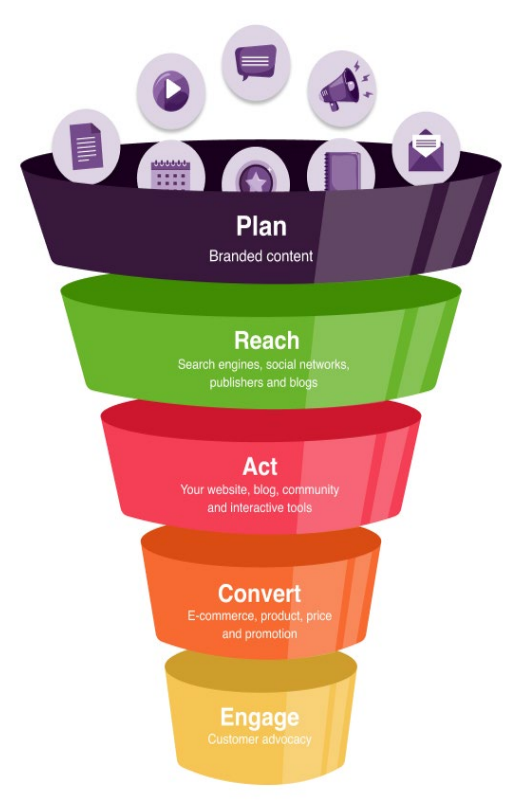
Consider how this changes your Act strategy within our RACE framework. Instead of optimizing for immediate clicks, ChatGPT ads might excel at introducing brands naturally within contextual conversations. A user discussing home renovation might encounter a helpful mention of specific tools or services that feels organic to the discussion.
The data suggests but doesn't prove that conversational ads work better for complex, considered purchases than impulse buys. We're not yet sure whether this represents a fundamental limitation or simply a different use case.
The $200,000 question
OpenAI's high minimum spend requirement reveals something important about their confidence level. If performance matched Google Search, why not lower the barrier to entry?
The answer likely lies in the experimental nature of the format. Early advertisers aren't just buying ads; they're helping OpenAI figure out what works. That $200,000 buy-in ensures committed partners willing to test, iterate, and provide meaningful feedback rather than casual experimenters who might bail after poor initial results.
This creates a natural selection effect. Only brands with significant budgets and long-term thinking can participate. While this limits OpenAI's immediate market, it may actually improve ad quality and user experience during these crucial early months.
The AI visibility problem nobody's talking about
Here's a limitation the early coverage misses entirely: How do you track brand mentions and performance across AI-generated conversations? Traditional tracking pixels and attribution models break down when ads become part of flowing dialogue rather than discrete placements.
This measurement challenge extends beyond individual campaigns. Brands need visibility into how they're being discussed across AI platforms generally, not just in paid placements. Understanding organic brand mentions in ChatGPT conversations becomes as important as monitoring social media sentiment. Tools like SeenByAI are emerging to address this gap, helping marketers track their brand presence across conversational AI platforms.
What the projections miss
Industry observers suggest OpenAI projects $2.5 billion in advertising revenue for 2026, scaling to $100 billion by 2030. These numbers assume massive user growth and ignore the performance gaps we're seeing today.
More realistic success looks different. ChatGPT advertising will likely excel in specific categories: B2B software where education matters more than impulse clicks, complex services that benefit from consultative selling, and brands where thought leadership drives purchase consideration.
It's tempting to conclude that conversational AI will simply replicate Google's advertising success in a new format. But the early performance data suggests something more nuanced: a channel that works differently, serves different goals, and requires different success metrics.
The 600 early advertisers aren't just testing ad formats. They're helping define what advertising looks like when the medium itself is a conversation. Their experiments today will shape how millions of future conversations between brands and customers unfold.
Whether that's worth $200,000 to find out depends on how much you believe conversations will replace searches.