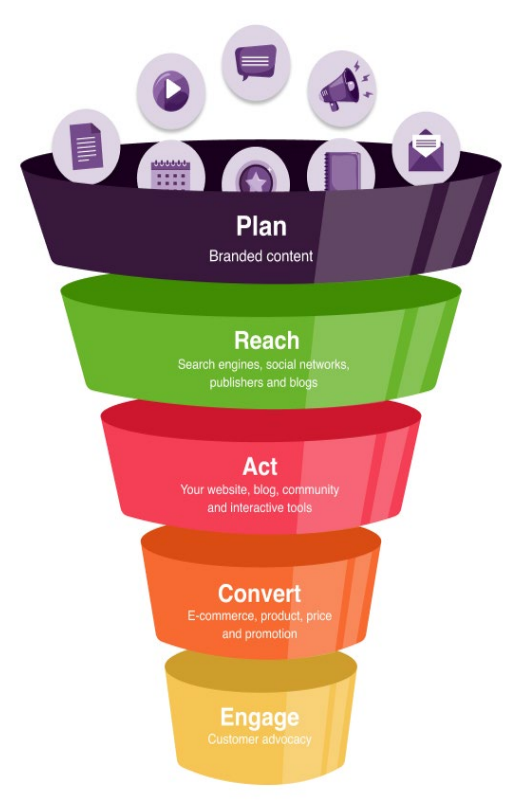
Digital Marketing will increasingly become about visual storytelling
As we move into 2016, the digital marketing industry is inevitably bound to shift. While changes occur at all points throughout the year, there’s something about January that gives brands a fresh start. All of the sudden, we’re paying attention to the future, as opposed to reflecting on the past. Well, as you look towards 2016, it’s important that you focus on two words: visual storytelling.
What is Visual Storytelling?
It doesn’t matter what continent you travel to, which time period you study, or which people group you analyze, humans have and always will love stories. In the early days, people sat around campfires and told stories and passed along legends from one generation to the next. Today, we log into our Netflix account to watch the latest flick. Stories are what engaged and captivated the early inhabitants of the world, and somehow, they’re still what captivate us today.
Over time, the ways in which stories are told have changed. From spoken word, stone tablets, and paper manuscripts in the old days to podcasts, eBooks, and Hollywood films in today’s society, the mediums through which storytelling happens have undergone systematic and significant change. However, our connection – as people – with storytelling has never dissipated.
You can’t look at visual storytelling in digital marketing without first understanding this context. At its very core, visual storytelling is tied to our instinctive desire to connect with others through engaging tales and narratives. With that being said, what does visual storytelling look like in terms of digital marketing?
Well, simply put, visual storytelling involves the use of graphics, images, pictures, and videos to engage with a target market and convey a brand’s message in an effort to drive emotions and encourage a particular action.
In 2015, visual storytelling was defined by a number of mediums and strategies. These included things such as:
- Its’ clear that video is the most powerful form of visual storytelling. However, it’s also the most difficult medium to master, from a marketing perspective. In 2015, many small and medium-sized businesses adopted video for the first time.
- There are two things people love: statistics and graphics. Why not combine both of them for an incredibly effective storytelling medium? This is exactly what infographics do.
- Branded images. With the growth of visual-based social platforms, such as Instagram, many marketers have found branded images and GIFs to be powerful visual storytelling mechanisms.
The Demand and Growth of Visual Content
It’s already clear that the demand for visual storytelling in the content marketing industry is going to see tremendous growth in 2016. This is predicated on the fact that content generates up to 94 percent more views when compelling visual elements are incorporated.
However, if you’re going to invest in visual storytelling and maximize its potential, you need to know what you’re doing. As content marketer Dawn Papandrea points out, “you can’t simply slap a few stock photos onto your blog or social media posts. Just as headlines and calls to action must be crafted carefully, your visual content deserves more than a second thought.”
If you want to “nail visual storytelling,” as Papandrea says, you need to focus on authenticity, sensory, and relevancy. In order to do this, you’ll want to keep the following points in mind:
YouTube Stands Alone
From a visual storytelling point of view, no platform is as powerful as YouTube. It’s the world’s second-largest search engine and gives brands the opportunity to deliver powerful content to massive audiences. If you want a good look at what effective storytelling looks like on YouTube, check out these two examples.
- GoPro. You could argue that no brand in the world is more successful at maximizing the potential of YouTube than GoPro. The company’s channel has more than 3.4 million subscribers and is continually publishing fresh, engaging content that really connects with the GoPro’s target market. After watching only a couple of videos, you’ll clearly understand the GoPro story - that’s how effective the channel is.
- Park West Gallery. As the largest art dealer in the world, Park West Gallery must be doing something right from a marketing perspective. YouTube is arguably the brand’s greatest digital marketing ally. They use it to show behind the scenes footage, interviews with renowned artists, and more. It’s how Park West Gallery paints the picture – pardon the pun – of who they are as a brand. Now, that’s the essence of visual storytelling.
Will you be able to create a YouTube channel that’s as effective as these two examples? Probably not. However, if you can develop a video storytelling strategy that’s even a fraction of these examples, you’ll do just fine. YouTube stands alone in visual content marketing, so don’t leave it out of your strategy for 2016.
The Rise of Interactive Visual Storytelling
Look for interactive visual storytelling to become a highly pursued strategy for big brands in 2016. Journalist Nayomi Chibana calls this a hybrid form of interactive content, in the sense that it contains multiple unique elements of visual storytelling in a single, consolidated medium.
“A seamless integration of a variety of mediums–from the written word and still images to interactive graphs, maps and animations–the interactive story is paving the way for new forms of transmedia storytelling in our convergence culture,” she writes. “These highly versatile formats are singular in their ability to give the user the freedom to navigate information, choose possible narrative paths and delve as deep as they desire into a certain topic.”
In 2015, we saw some different examples of interactive storytelling. Two of the best were CUNA Brokerage Services’ interactive module and American Express’ interactive musical experience with pop star Taylor Swift. As tools are developed and it becomes less expensive and time-consuming to invest in interactive storytelling, this type of content will surely become more popular.
Virtual Reality will Put Another Foot Forward
Mass adoption of virtual reality (VR) technology – both on business and consumer sides – is still a couple of years away; however, look for another step to be taken in 2016. Trendy brands will try to make a splash by leveraging new VR tools at events and physical retail locations. Tommy Hilfiger recently did this when launching their 5th Avenue store in New York City.
From a smaller brand’s perspective, you won’t necessarily extract much value from virtual reality in 2016, but you shouldn’t tune it out altogether. Pay attention to how the larger brands are using it and make notes of how your brand could leverage it in the future.
4 Other Digital Marketing Trends for 2016
While visual storytelling will probably highlight the top digital marketing trends of 2016, there are certainly some other developments worth monitoring. Prepare for and consider the following:
- Increased emphasis on analytics. As businesses begin to spend more on digital marketing, the amount they spend on analytics is also expected to rise – by as much as 60 percent, according to some calculations. This access to robust data will allow marketers to make highly targeted and calculated decisions that eliminate wasted spend and maximize efforts.
- Growth of live stream social. One of the biggest developments in the social media industry this year was the introduction of a new social medium: live stream social. Platforms like Periscope and Meerkat have taken the market by storm. Look for even more growth in this space in 2016.
- Even more micro targeting. As advertising platforms like Facebook and Google gain access to more user information and trends, the ability to micro target paid advertising efforts will be greatly enhanced. Facebook already has plenty of targeting options, but look for things to improve even more in the coming months.
- Content for wearables. The Apple Watch hasn’t been quite the success brand officials were hoping, but it also hasn’t been a total flop. There will be significant growth in the wearable device market in 2016, which naturally means savvy digital marketers need to prepare content for these new devices.
2016: the Year Content Changes
The proliferation of digital marketing technology is happening at an astounding pace. In fact, it gets faster and faster each year. As we leave 2015 behind and jump into 2016, look for digital marketing – and content marketing in particular – to undergo some significant shifts. Visual storytelling will lead the way, but don’t forget about the other trends and issues. It’ll be the brands that are constantly monitoring new developments that see the most success in 2016 and beyond.

Thanks to Larry Alton for sharing his advice and opinions in this post. Larry is an independent business consultant specializing in social media trends, business, and entrepreneurship. Follow him on
Twitter and
LinkedIn.