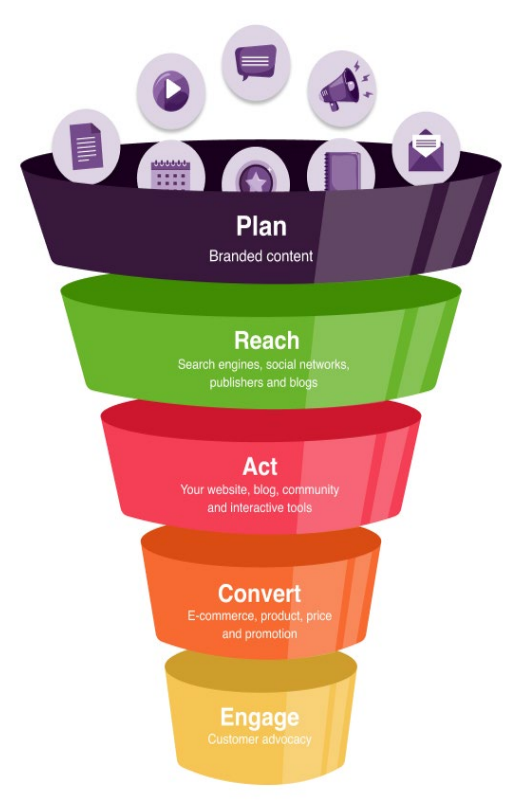
How brands are bridging the gap between online and offline shopping experiences
The age of the customer is upon us and a big reason for it is the growth of technology. Customers can thoroughly research a brand or a product before buying. They use several devices and channels to look you up and, what’s more, they’re also expecting a different customer experience – a better one, in fact.
In my latest guide for Smart Insights, I take a deeper look at omnichannel marketing and what it means check it out if you want to create better customer experiences for your e-commerce or retail business and to boost your sales.
Omnichannel marketing planning guide
Learn what omnichannel marketing, how it’s different from multichannel marketing, and the different ways that you can use technology to improve the customer experience.
Access the Omnichannel marketing planning guide
Right now, I want to share some examples of omnichannel marketing in action to show you some amazing ways that you can improve the customer experience and boost your sales:
Starbucks: making ordering easier and boosting revenue
As a coffee shop, there’s only so much you can do to improve the customer experience. Changing the décor, changing up the food and drink you sell – all strategies that can work very well, although they aren’t exactly revolutionary.
Many coffee shops (successful ones, at least) face one big issue: rush hour. People coming in, one after the other, to get their coffee as quickly and as efficiently as possible. It’s almost always a chaotic situation, especially in very busy urban areas.
Starbucks’ solution to this issue – and also a way to boost customer loyalty and retention – was, quite simply, an app. You might say that everyone has an app, but this app is pretty special because it actually truly improves the customer experience.
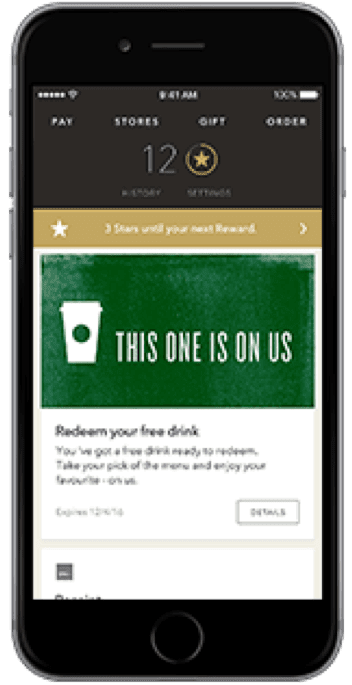
The Starbucks app for iOS and Android devices allows users to order and pay faster and more efficiently than ever – they don’t even need their wallet or their cards, all they need is the app. Customers can order their coffees while they’re in line or even earlier, to pick up once in store and easily pay for it with Apple Pay or Google Pay. They can even use their Apple Watch to order, pay, and track their Starbucks rewards.
What’s more, you can also use it to add your Starbucks card so you can earn rewards and track them.
Starbucks identified a problem – long wait lines – and found a solution for it that connected the online with the offline, which it also packed full of other fun or useful features. The result? In the US, mobile payments reached 29% of transactions and growing, while the Mobile Order & Pay app is also growing every quarter, getting to 8% of a quarter’s transactions in 2017. Not to mention, they’re also getting a lot of useful data on their audiences’ buying habits so that they can use it to optimize their future marketing strategies.
Oasis: an easier and better way to shop offline
Although buyers are moving towards online shopping, bricks and mortar stores are still going strong and hold an important part in retail. People still want to go to physical shops and try out their products, as well as buy them immediately. But they also expect a different experience than what they would’ve gotten 10 or even 5 years ago.
Oasis, a UK fashion retailer, found a way to improve the customer experience both online and offline with some very simple omnichannel strategies.
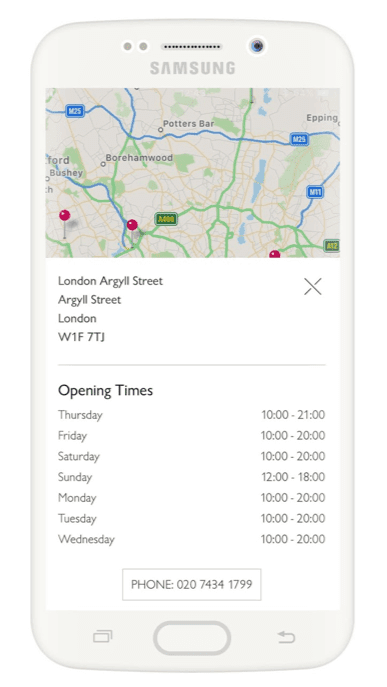
First, they made sure they offered several browsing and buying options for their customers: a website, an app, and their bricks and mortar stores.
When you go to one of their stores, all employees are ready to help you with their iPads, where they can quickly get information about the products you’re looking for while talking to you. What’s more, if they can’t find the product or the size you want, they can even place an order for you to receive at your home. Alternatively, if you’re shopping online and the product isn’t available online, Oasis will find the item in their stores so you can order it anyway.
Once you do find something you want to buy, you don’t have to wait in line – the in-store assistant can ring up your payment immediately.
As you can see, Oasis isn’t using any technology that will necessarily blow your mind, but these tactics can make a huge difference to the customer experience while shopping online and in-store.
Crate & Barrel: an easier way to shop for furniture
Crate & Barrel is a furniture and home décor chain retail store with over 100 stores across the US. In a bid to improve the buying experience, they’ve used a truly impressive strategy: mobile tote bags, helping them create a so-called ‘connected store’.
Their stores are filled with tablets that customers can use at their leisure to scan barcodes of any products they’re interested in and learn more about them, such as what other colours are available and what reviews they have. This is something that people often do by themselves when shopping – they might check your website while in your store, look for reviews from other websites before buying a product, and so on. What Crate & Barrel is doing is recognizing this new way of shopping and providing their customers with the tools they need to do their research in store:
The CloudTags Crate and Barrel Store Installation from cloudtags on Vimeo.
Customers can also use the tablets to create wish lists and add items to their mobile tote bag. When they’re done, they can head over to the Mobile tote checkout where an employee will get their shopping ready.
Their customers can also email themselves their wish list, in case they want to buy later.
Conclusion
As you can see based on these examples, omnichannel strategies are all about creating a more seamless customer experience:
- It’s easier to buy (like ordering and paying for your coffee to pick it up at the shop)
- There are multiple touchpoints when you can buy (like you can buy from Oasis assistants on the spot in store and even order products to be delivered at home)
- Online and offline are now connected so that customers can research products, check all of the different options available, check product availability by themselves, and so much more
As technology evolves, these omnichannel strategies will certainly become the norm in retail and e-commerce. If you want to be prepared for these changes and be at the forefront of omnichannel marketing strategies, make sure to check out the Omnichannel marketing guide to learn more about:
- What omnichannel marketing is and how it differs from multichannel marketing
- Other brands who are using omnichannel strategies to great success
- And how to get started with omnichannel marketing for your retail or e-commerce business