Combine opportunity, strategy, and action to identify the right approach for your pharma brand
The last few years have been a rollercoaster ride for many of us, not least those within the pharmaceutical sector. Digital transformation is rapidly altering the way pharma brands communicate and deliver their products: consumers are becoming more knowledgeable and proactive, whilst businesses are having to adapt to an increasingly digital-first world.
And this has all happened alongside broader trends which KPMG believes will have a significant impact on revenues and business and operating models:
“The pharmaceutical sector is at a crossroads. In a heavily disrupted marketplace, characterized by shifting payer attitudes and patient empowerment, neither incremental adjustments nor steady evolution are likely to halt the decline of the traditional pharmaceutical business model.”
As a result of these different trends, it’s important for businesses to evaluate their digital communications and value delivery. Within the pharma sector, brands need to continue innovating and make their online experiences and customer engagement communications more effective. Moving into 2024, it will be crucial to have a clear, coherent and joined-up marketing strategy to compete.
But why is it important to have a marketing strategy? I’ve highlighted below some of the key elements from Smart Insights’ marketing strategy definition to help explain why?
“A proactive, data-driven approach to marketing and communication activity across all channels and touchpoints. The marketing strategy informs all marketing activity taking place for the business since all marketing plans stem from this overarching structure and vision. Once the strategy is set and communicated, marketers use tactics to put into place their actions that drive to the result.”
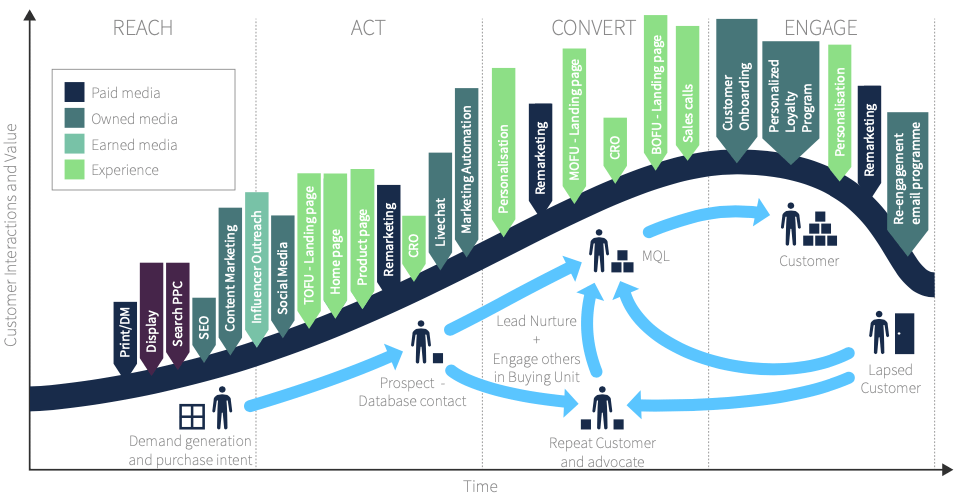
Smart Insights has a wide range of strategic marketing guides, resources, and templates for pharmaceutical and healthcare companies looking to develop their marketing strategies. As we know, to succeed in pharma marketing today, marketers and managers must apply a data-driven, customer-focused approach to their strategy and planning, such as our popular RACE Framework lifecycle.
Take steps to optimize your marketing by joining Smart Insights as a Free Member today. Gain instant access to a wealth of digital marketing tools, some of which are mentioned in the article below, designed to help you convert more customers.
Within this post, we’re going to look at some of the key steps you can take to create a pharma marketing strategy that will set you up for success in 2024.
3 key trends in the pharmaceutical sector
Although many strategic marketing models, frameworks, and plans can be applied to companies across different sectors, we need to first acknowledge the key trends in the pharma sector that will underpin your marketing strategy.
1. The impact of digital transformation and AI on content marketing
Whilst increased global use of AI is no doubt the major trend impacting the pharmaceuticals sector, it’s worth exploring how it has influenced marketing. The pandemic has forced many pharma operations to move online and provided new options to communicate with customers. This has given pharma brands an opportunity to create content for both healthcare professionals (HCP) and patients, and distribute this across different channels.
Now, we see generative AI used to increase content production, although at Smart Insights we recommend taking a blended approach. You can read our Free ChatGPTprompt cheatsheet for more tips on working collaboratively with AI to improve your work.
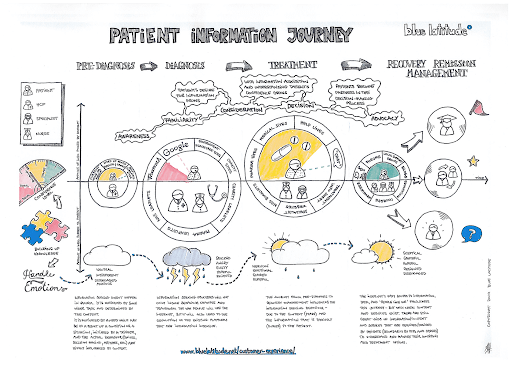
Needless to say, it’s become more important than ever to have a clear idea of the customer/ patient information journey and how to communicate with them at different stages:
2. The consumerization of healthcare
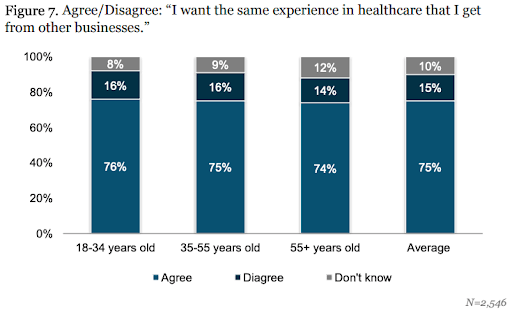
Pharmaceutical consumers want to have the same experience in healthcare that they have from other businesses. The presence of tech brands like Amazon, Netflix and Meta has exposed us to new information and levels of service that weren’t present 10-15 years ago. This has influenced what we expect from other brands, meaning marketers must take a customer-first approach to their marketing planning.
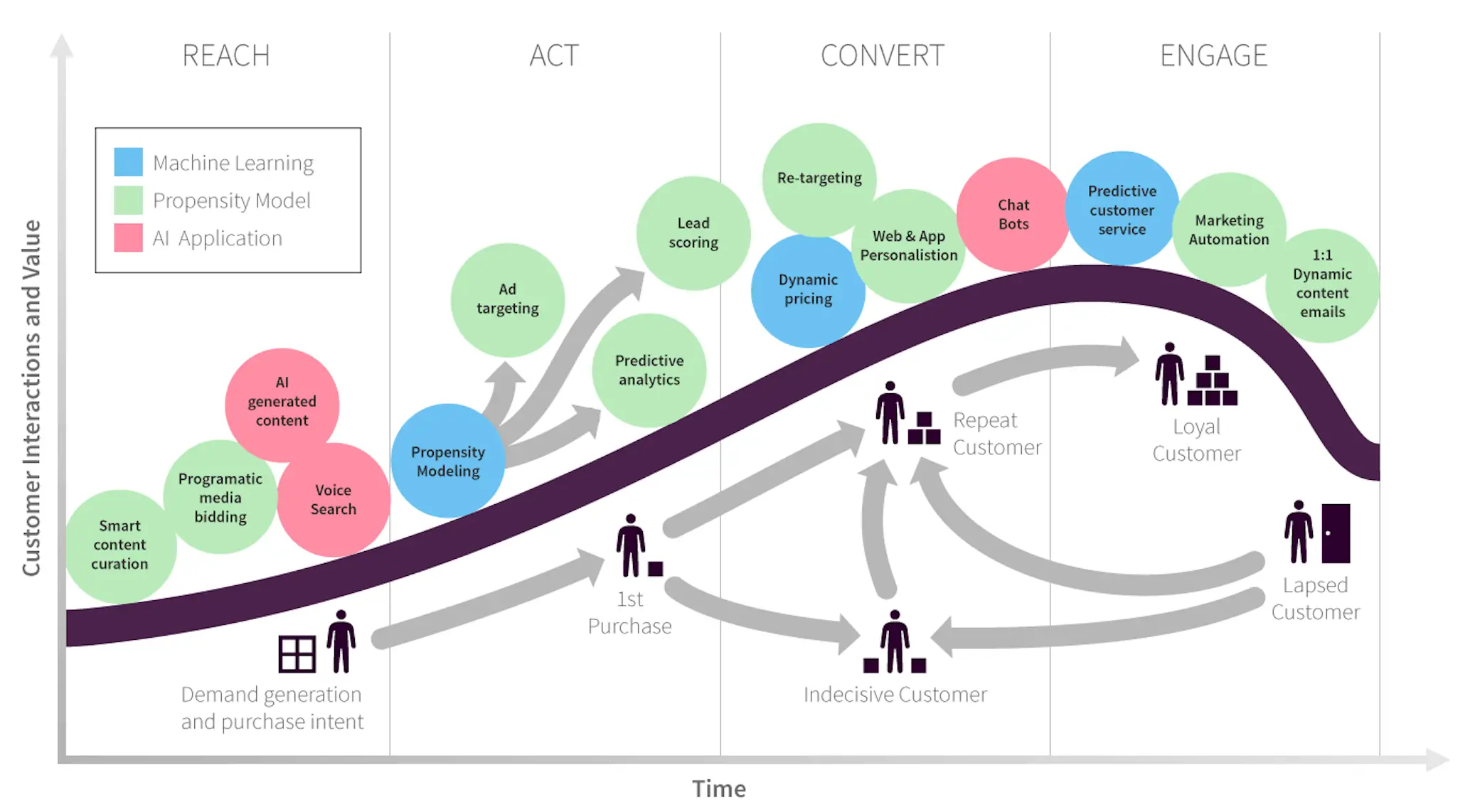
If you're not already familiar with it, don't miss this handy infographic on 15 uses of Machine Learning, Propensity Modeling, and AI. Even if you're not using all elements depicted in the lifecycle, you can use this structure to plan improvements to your customers' online experiences of your brand.
3. Enhancing consumer engagement
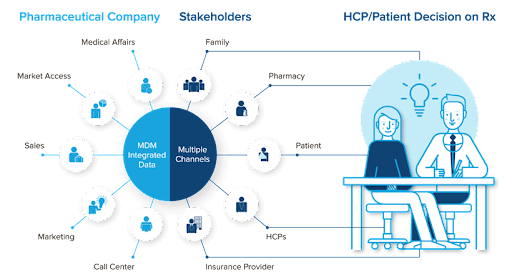
Competitiveness within the pharma sector and the consumerization of healthcare mean that engaging and retaining healthcare customers is crucial. This trend requires pharma companies to review and invest in platforms that they can use to create a consistent view of the customer across many touchpoints, including targeting, segmentation, and performance management:
Use RACE to structure your pharma company's digital strategy
Find out more about how your company can benefit from utilizing the RACE Growth System to strategize each component of your marketing funnel.
From strategy and planning to reaching customers and getting known, from encouraging interaction to increasing conversions, and keeping hold of loyal customers and advocates, the RACE Framework has everything your pharmaceutical marketing team needs to achieve your goals.
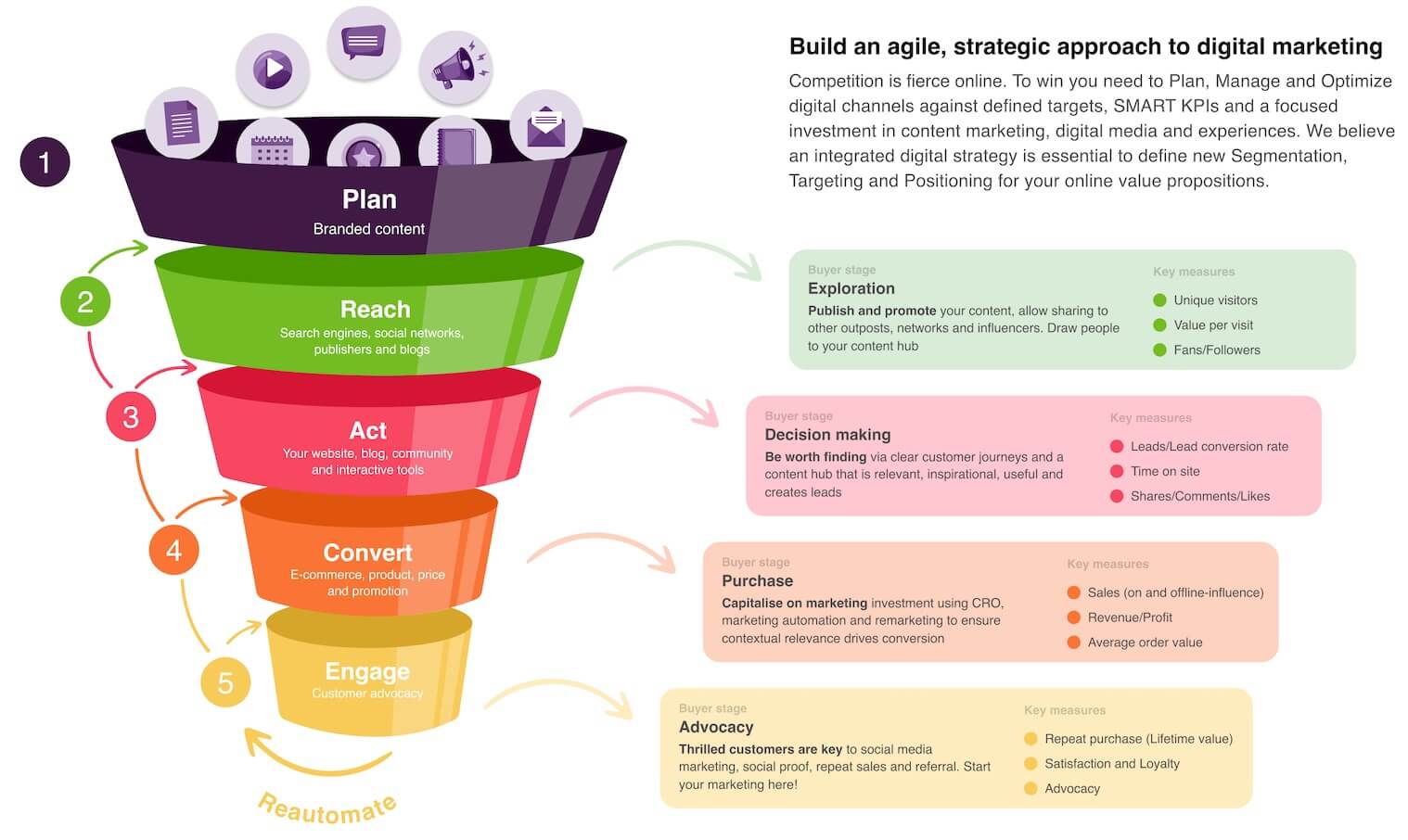
What's more, all our marketing tools, training, and templates are integrated across RACE, meaning you can adapt and prioritize key customer journeys to target high-value customers, using data and insights to confidently make decisions about your marketing strategy. Download your free digital marketing plan template to start today.
Free digital marketing plan template
Our popular marketing planning template is structured across the Smart Insights RACE Framework. Join Smart Insights as a Free Member to download our digital marketing plan template today
Access the Digital marketing plan template
Optimize your marketing strategy using the Opportunity > Strategy > Action Framework
Opportunity, Strategy, Action is a perfect starting point for pharmaceutical marketing leaders looking to audit and reinforce their marketing strategies. This simple 3-step approach empowers marketers to adapt and react to internal and external factors influencing their customers' lifecycles:
- Opportunity
- Strategy
- Action
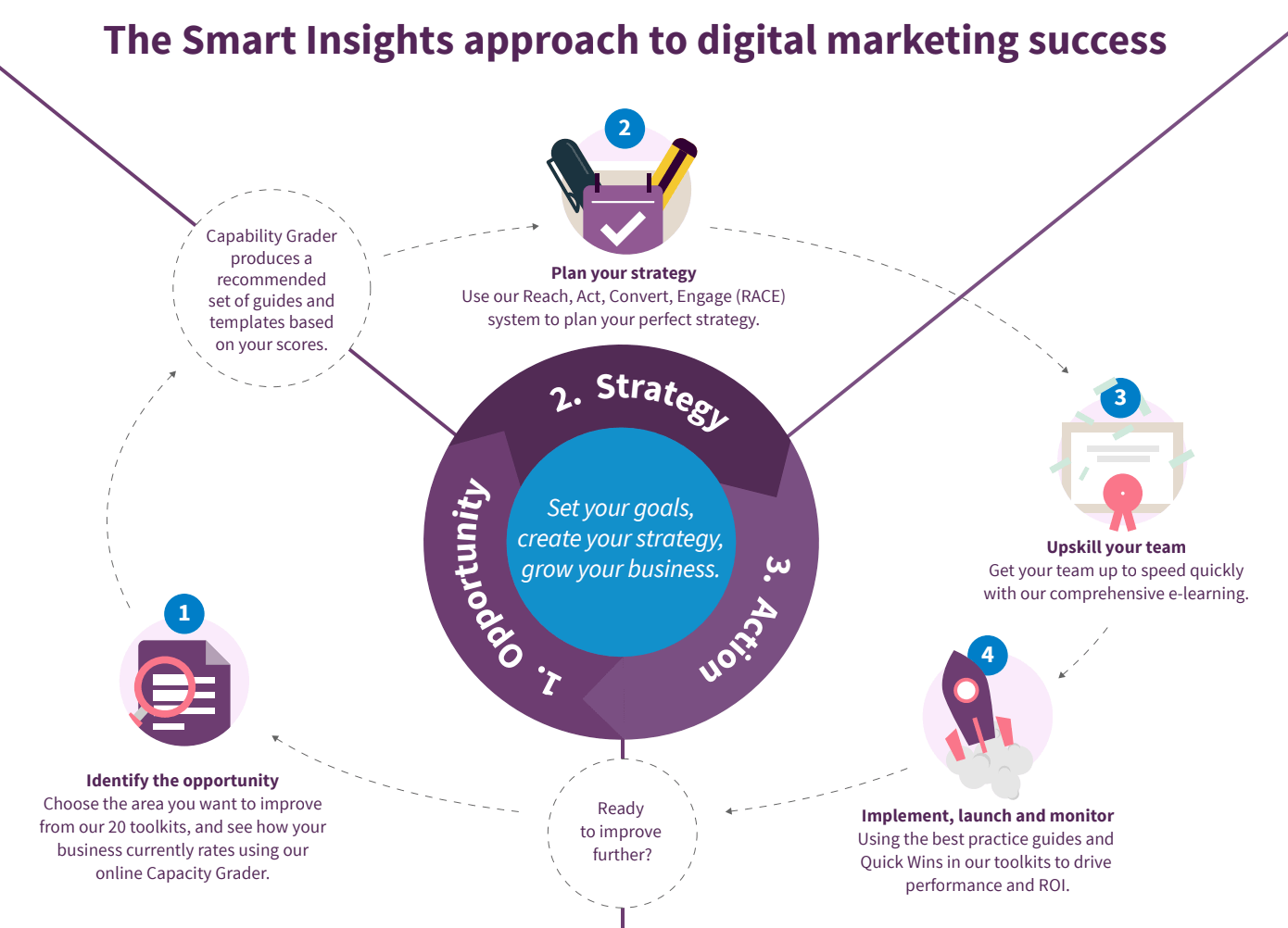
To help bring this further to life, let’s look at each section of the OSA framework with some examples of how it can be used to create an effective pharmaceutical marketing strategy.
Opportunity
This stage is about evaluating the current contribution of marketing channels by reviewing your data and setting future objectives.
The consumerization of healthcare will give you a macro view of the current situation and where to explore further. The trend of people influencing and controlling their medical and wellness care is here to stay and is only likely to grow:
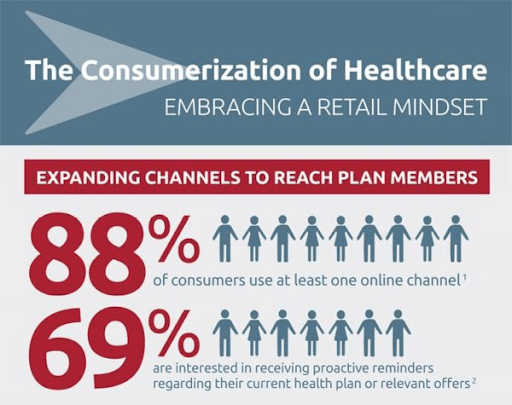
The consumerization of healthcare means that there is an opportunity for providers to develop strategies and market offerings that fulfill customer needs and preferences while fully engaging them in an end-to-end customer experience.
With this background insight in mind consider the following:
- Your current performance and business contribution from digital channels
- The digital maturity of your organization - are you currently set up to tackle the new challenges?
- Review employees marketing skill-set to ensure they have the right tools and capabilities
- Benchmark your company vs. the competition
- Set SMART objectives informed by your audience and marketplace analysis
Strategy
Once you have a clear idea of what you want to achieve (objectives), you must define a strategy for how you will get there and which tactics you will use for customer acquisition (Reach), conversion (Act and Convert), and customer retention/loyalty (Engage).
The objective you’ve set in the first stage will help you shape your strategy. For example, if you are developing a new product offering, you may need to focus on Reach to build awareness of your brand and grow your audience. But if you are already established you may instead want to focus on Act to prompt interaction, subscribers, and leads.
The key steps to consider at this stage include:
- Review new business model options
- Update your brand positioning, including your value proposition
- Ensure you have a content marketing strategy
- Brand governance, including new planning processes or new controls on communications
- A long-term roadmap - it’s likely that your strategic initiatives won’t be achieved within 6 months or even a year
Action
Finally, you will need to define how your team will execute the strategy and the methods you will use to measure and track success.
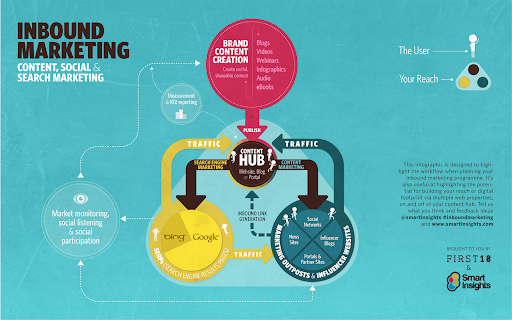
In this stage, you will take your objectives and strategy and translate them into an action plan. If your pharma strategy is going to take a very content-oriented approach to inform and engage consumers, for example, Smart Insights’ Content Marketing Blueprint provides a structure and workflow for planning a content marketing program:
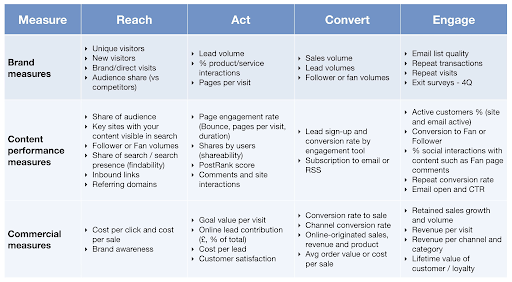
Once you’ve established the key actions, the next step is to define the metrics and KPIs to determine success.
The key steps to consider at this stage include:
- Create 90-day action plans for each quarter that show the focus on different techniques across paid, owned, and earned media
- Structure different strategic initiatives and improvements for 90-day plans across RACE (Reach, Act, Convert, Engage)
- Create a detailed budget for prioritized activities across paid, owned, and earned media
- Define dashboards and KPIs to review progress against your targets
- Create a resourcing and development plan to ensure your team has the right skills
Pharmaceutical marketing bottom line
Pharmaceutical marketing leaders looking for pharma/healthcare marketing solutions need to consider their marketing strategies in the context of the RACE Framework and OSA. By applying a practical, data-driven approach, you can streamline your marketing activities and focus on your patients' customer journeys.
Interested? Discover new opportunities for your company and implement quick changes to start optimizing your marketing funnel. Join as a Free Member to find out more.