If you want a strong team you'll need to treat them right: 6 techniques to build a cohesive culture
A recent article about Amazon’s work culture shocked many, including the company’s CEO Jeff Bezos himself.
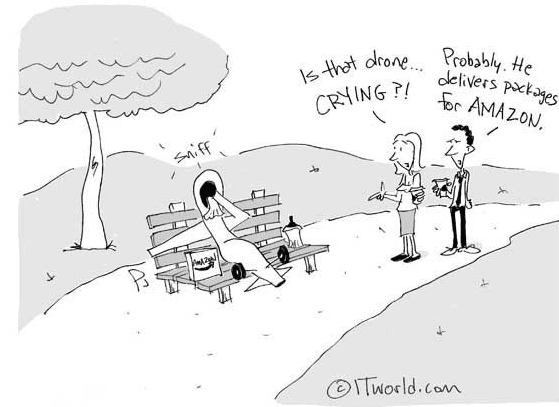
Regardless of what’s really happening at Amazon, this ongoing situation should serve as a cautionary tale of what happens when a company’s public image doesn’t appear to align with its employees’ experiences.
Big companies such as Amazon, Apple, and Walmart can weather bad press because of the value they deliver. Consumers might shake their heads at reports of demeaning worker treatment, but they’re not going to stop buying iPhones or cancel their Prime subscriptions.
But for the rest of us, ongoing internal unrest will undoubtedly hurt external output. You can’t expect overworked, underappreciated employees to consistently deliver high-quality products. You can’t expect the public to overlook an unacceptable work environment and continue buying your product. And in the current employment landscape, you can’t expect new hires to stick around once they realize your outward image doesn’t accurately reflect how you do business.
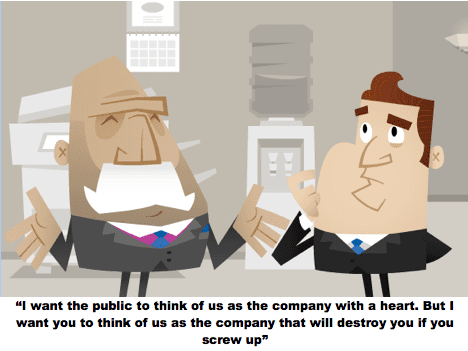
Building a Cohesive Culture
Talent acquisition is more competitive than it’s ever been, and job candidates are extremely discerning about which companies offer the best work-life balance. Millennials, in particular, value a good cultural fit as much as they do salary and benefits, and they expect employers to live up to their promises.
Leaders simply can’t afford to be distant from their employees, and ignore employee happiness. They must always have their fingers on the pulse of their company’s culture and be analyzing whether it reflects their organization’s stated values. Marketing teams play an important role in ensuring internal and external perceptions align because they’re essentially liaisons between the company and the public.
Marketers can use the following five strategies to create a cohesive internal and external perception of their companies:
- Regularly update employees about what’s happening throughout the organization. They want to know what decisions are being made at the executive level, why those decisions are being made, and how those decisions are going to impact them. Touch base often, and create a two-way dialogue to get an accurate sense of the workplace mood.
- Focus on authenticity. Collaborate with employees, and incorporate their ideas into your strategies. This will give a truthful, authentic voice to your marketing initiatives. When customers sense that employees are genuinely happy, they’ll see your efforts as accurate representations of the company instead of misleading advertising.
- Maintain transparency. Don’t create silos that stifle creativity and collaboration. Invite employees to offer feedback, and embrace them as part of public presentations. Marketing departments can set the tone by creating campaigns that resonate with employees and accurately reflect how they view the company and its mission.
- Encourage criticism. Marketers can facilitate conversations between employees and leadership. If you know of a common concern or gripe, bring people together to discuss it. After Bezos read the scathing article about his company, he encouraged all employees who had negative work experiences to share them with HR. Don’t let unhappiness build up over time and reach a boil. Instead, ask for constructive criticism often, and make sure something gets done about it.
- Stay true to your culture. If your company is built on ideas about innovation, flexibility, and work-life balance, keep it that way. Don’t fall prey to 80-hour workweeks, uncompensated sick days, and a generally uninspiring atmosphere. Your employees chose your company for a reason, so live up to their expectations.
Employees are valuable assets, and they demand to be treated as such. Companies that don’t live up to their cultural promises risk looking callous or deceitful in front of consumers, and they’ll quickly lose loyalty, trust, and business as a result. Marketers can help their organizations avoid this by amplifying internal voices in their external messages.

Thanks to
Russell Fradin for sharing their advice and opinions in this post. Russell Fradin is founder and CEO at
Dynamic Signal. He gives strategies for marketers to create a cohesive internal and external perception of their companies. You can follow him on
Twitter or connect on
LinkedIn.
Image credits: Itworld.com; Powtoon