Digital marketing is more important now than ever. My recommendations on the challenges and opportunities for growth
Digital marketing is deceptively easy if you take the deliberately simple definition from my book Digital Marketing:Strategy, Implementation and Practice where I define Digital Marketing as:
"Achieving marketing objectives through applying digital media, data and technology".
But in reality, digital marketing is a tough challenge since many businesses know how vital digital and mobile channels are today for acquiring and retaining customers. Yet the research shared below shows that many businesses don't have an integrated plan to support digital transformation and business growth based on engaging their audiences effectively online.
In this article, I will explain why a digital marketing strategy is essential for all businesses. If you're looking for an introduction to the scope of digital marketing and what should be included in a plan, see my post explaining What is Digital Marketing.
Regardless of the type of business, if your business doesn't have a strategic digital marketing plan aligned with your business plan, you will suffer from the ten problems I highlight in this article and you will lose out to competitors who are more digitally savvy.
Let's now look at the 10 reasons that you can treat as challenges, or better, as opportunities. For each of the potential digital marketing challenges, I will also recommend marketing solutions and next steps to help you improve your process of digital marketing planning.
10 reasons why you need a digital marketing strategy
It's important to be able to make the business case to invest more in digital marketing since, if you can't convince yourself or your colleagues to invest, then the future of your business is in jeopardy. It's simple, you won't be able to compete to attract new customers in the future.
1. You're directionless - you don't have a plan
I find that companies without a digital strategy (and many that do) don't have a clear strategic goal for what they want to achieve online in terms of gaining new customers or building deeper relationships with existing ones.
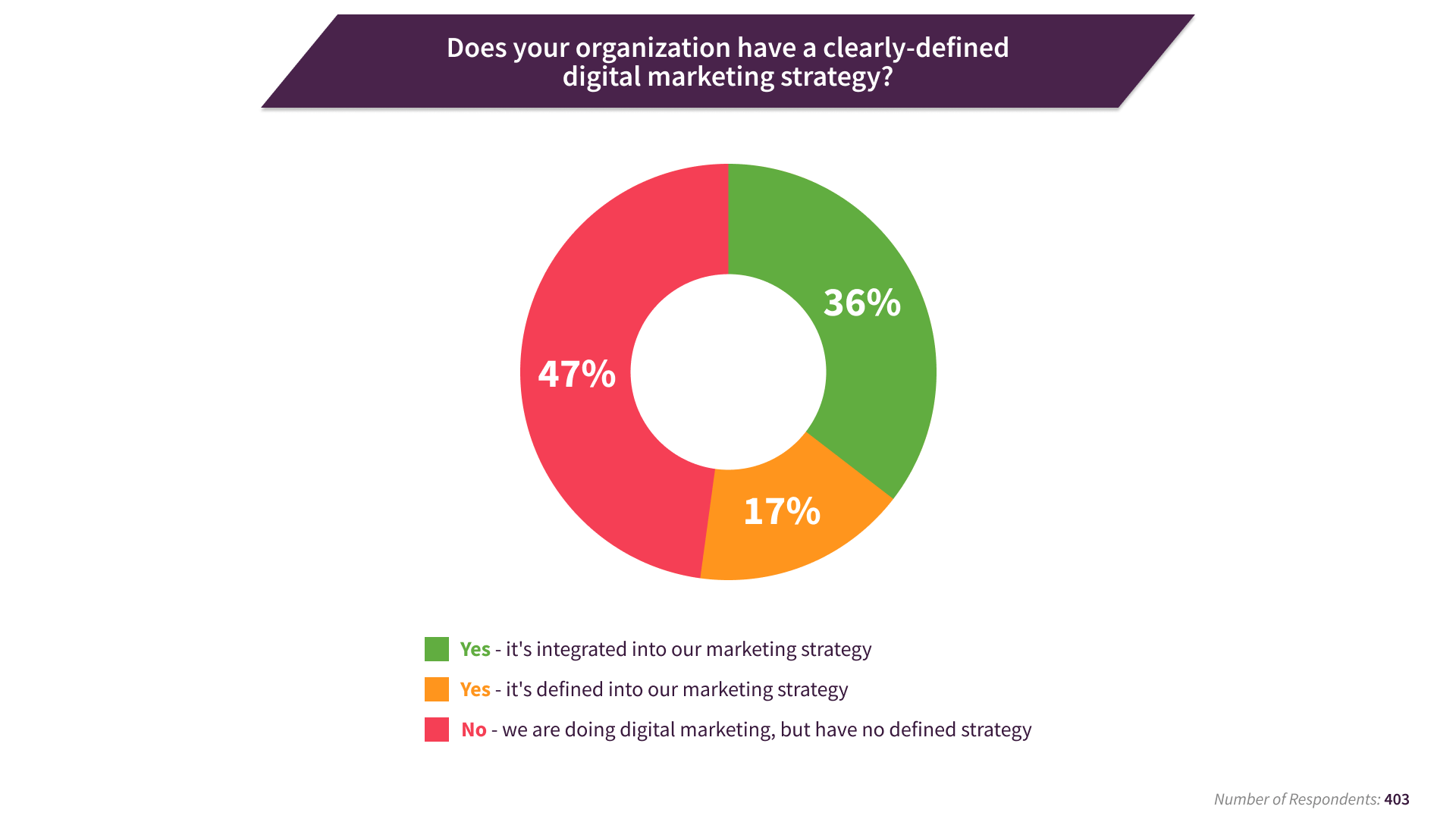
Our Managing Future of Digital marketing research report showed that almost half (47%) of companies don't yet have a defined digital marketing strategy, but are doing digital marketing!
In this research, a simple test of whether a strategic approach is being used was to ask whether there is a defined plan for digital marketing.
Shockingly, nearly half (47%) of businesses don’t have a digital marketing strategy, but they are doing digital marketing! Over the fifteen years we have been researching adoption of planning for digital marketing, we have found the percentage of businesses without a planned approach has remained similar, suggesting there are significant barriers to integrating planning in organizations.
You can see that around one-fifth (17%) do define their digital strategy. This is a great first step in the process towards a fully integrated strategy. Where you want to get to is where all digital marketing activities are prioritized as part of overall investments in your marketing.
And if you don't have goals with SMART digital marketing objectives you likely don't put enough resources to reach the goals and you don't evaluate through analytics whether you're achieving those goals.
Our templates can support you to create more realistic forecasts of investing in digital media and improving conversion rates. Use our RACE digital marketing dashboard to simplify your reporting of Google Analytics goals for monthly reviews.
2. You have poor digital maturity since digital marketing doesn't have enough people/budget given its importance
We often see that businesses of all sizes have insufficient resources devoted to both planning and executing digital marketing. There is likely to be a lack of specific specialist online marketing skills which will make it difficult to respond to competitive threats effectively.
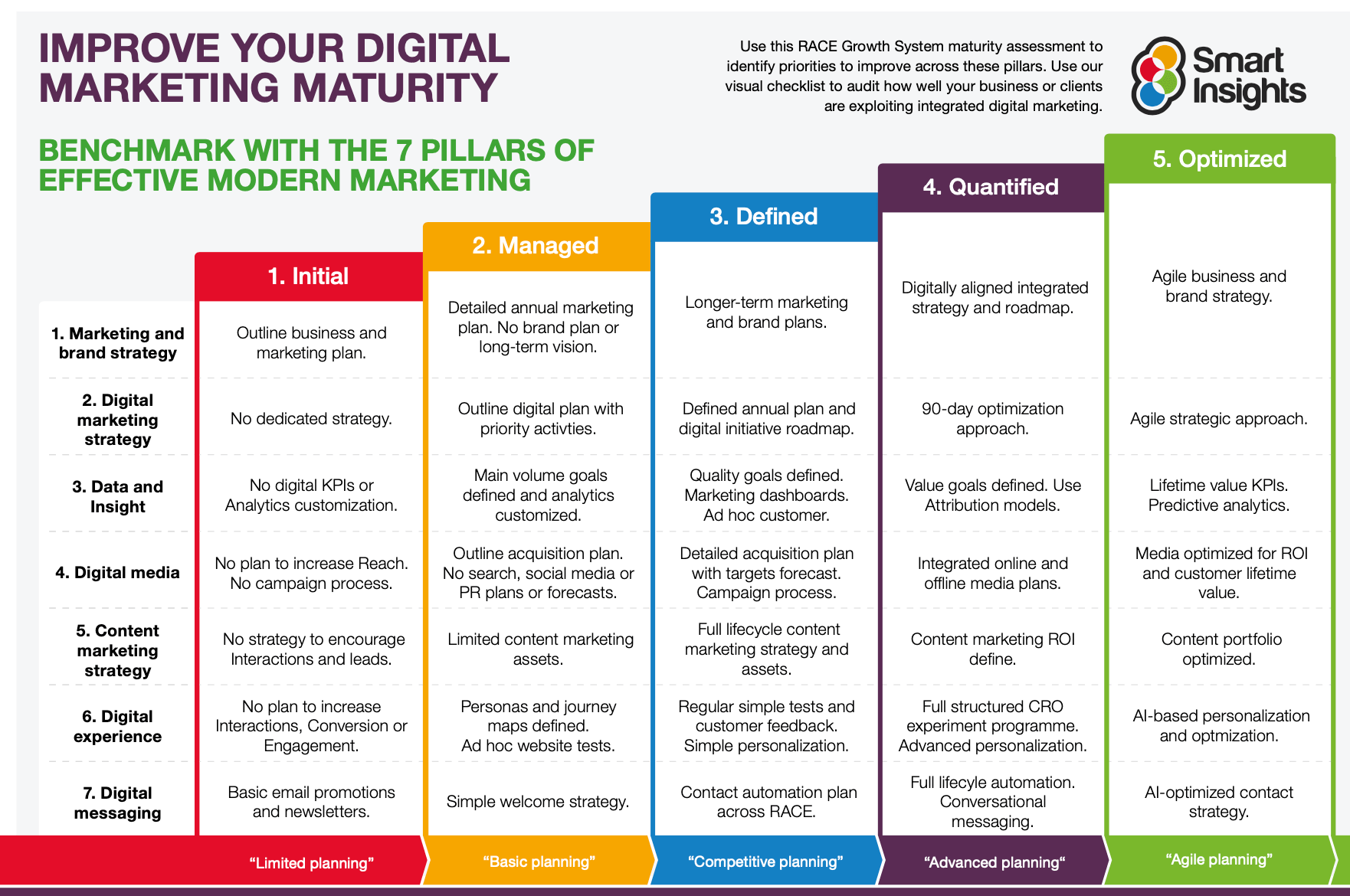
A good starting point to make the case for more investment in digital marketing is to assess your digital maturity. To help our members we have created a free download of maturity benchmarks like that shown below.
We have collected these visuals together in a single download so that you can easily review them and print the most relevant for you. We've designed them so members can use them for different scales of business and roles. There are more than 10 templates which cover:
Digital marketing for small and medium businesses using our RACE framework
Digital transformation for larger businesses
Digital channel marketing activities including SEO, Social media, email and content marketing
I designed this example for reviewing digital marketing effectiveness with senior leaders in small and medium or larger businesses. I recommend you score your current maturity across each of the pillars of effective digital marketing and then set targets of how you need to improve within the next 12 or 18th months and put in place a plan to achieve that. We find that often, many businesses are at level 1 or 2 and should aim to reach at least level 3 when they will have a planned approach and will be able to compete.
The other templates in the download are more granular, looking at specific digital marketing activities using our RACE framework.
Free digital marketing maturity benchmarking template
Score your business on this simple five-point scale to identify techniques you can use to improve your digital marketing overall and for the core channels and techniques including SEO, social media, email marketing and conversion rate optimization.
As a Smart Insights premium member, you'll have access to strategy and planning tools including performance and digital maturity benchmarking, and regular marketing insights reports, so you can keep track of your position in a competitive landscape.
3. Existing and start-up competitors will gain market share through optimizing their always-on marketing
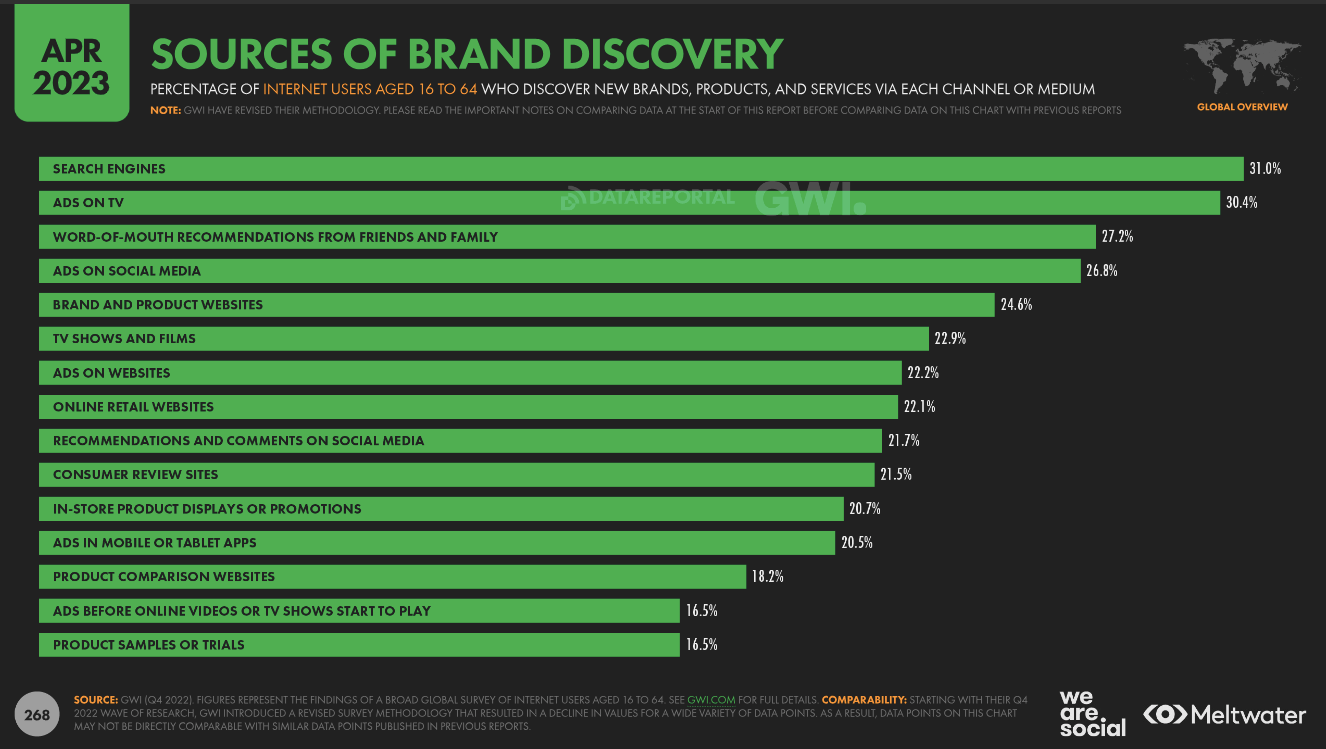
If you're not devoting enough resources to digital, or you're using an ad-hoc approach with no clearly defined strategies, then your competitors will eat your digital lunch since they will be more focused on always-on marketing! They will be adept at using the online marketing techniques such as organic and paid search and social media marketing which are so vital to gaining brand awareness online. The importance of digital channels in influencing brand discovery is highlighted by this research from Global Web Insight published in the Datareportal Global Snapshot report.
This research shows that if you don't compete by maintaining quality online content to gain visibility within search engines and social networks, then you're missing out on opportunities to reach new customers.
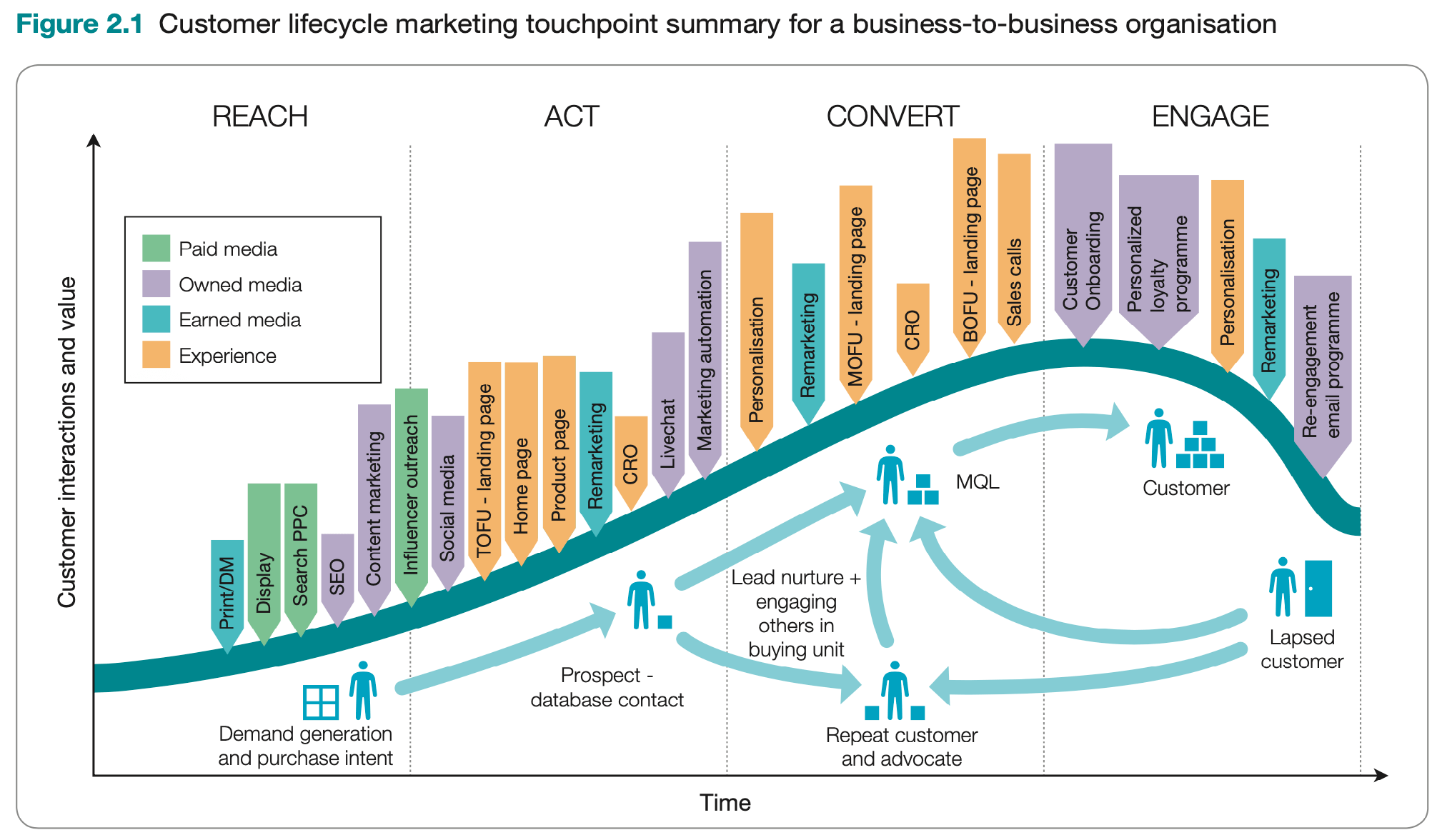
Always-on marketing refers to the investments in paid, owned and earned media needed across the customer lifecycle shown in this figure from the eighth edition of my Digital Marketing: Strategy, Implementation and Practice book. Investment is needed to maintain visibility and support conversion and retention continuously as people search for and select products online.
Many brands don't get the balance right between investment in always-on across these activities and campaigns, so neglect AOM.
Our RACE planning framework defines how to create a plan covering both always-on and campaign communications. You can learn more in our free download.
Free digital marketing plan template
Our popular marketing planning template is structured across the Smart Insights RACE Framework. Join Smart Insights as a Free Member to download our digital marketing plan template today
4. You won't know your online audience or market share
Customer demand for online services may be underestimated if you haven't researched this. Perhaps, more importantly, you won't understand your online marketplace. The dynamics will be different from traditional channels with different types of customer profile and behaviour, competitors, propositions, and options for marketing communications.
Our templates include a customer persona guide and template to help you develop more detailed, actionable personas that map messages and content requirements through the customer journey. Through completing this persona analysis you will be able to create a content strategy to support customers in selecting products and to implement the strategy to improve engagement through your search, social media and email marketing too. That's why a content strategy is one of the pillars of your digital marketing.
5. You don't have a powerful online value proposition
As part of defining the scope of opportunity when using a strategic approach to digital marketing, it’s helpful to think about how digital experiences can improve your brand appeal. This involves improving online services, interactive tools and digital audience interactions to improve customer service.
A clearly defined digital value proposition tailored to your different target customer personas will help you differentiate your online service encouraging existing and new customers to engage initially and stay loyal.
6. You don't know your online customers well enough
It's often said that digital is the "most measurable medium ever". But Google Analytics and similar will only tell you volumes of visits, not the sentiment of visitors, what they think. You need to use other forms of research and website user feedback tools to identify your weak points and then address them.
7. You're not integrated ("disintegrated")
It's all too common for digital activities to be completed in silos whether that's a specialist digital marketer, sitting in IT, or a separate digital agency. It's easier that way to package 'digital' into a convenient chunk. But of course, it's less effective. Everyone agrees that digital media work best when integrated with traditional media and response channels.
That's why we recommend developing an integrated digital marketing strategy, so your digital marketing works hard for you! With your integrated plan in place, digital will become part of your marketing activity and part of business as usual.
8. You're wasting money and time through duplication
Even if you do have sufficient resources, they may be wasted. This is particularly the case in larger companies where you see different parts of the marketing organization purchasing different tools or using different agencies for performing similar online marketing tasks.
That's why you need to invest in a marketing strategy that works for you and your team, to plan, manage and optimize your digital channels and platforms. Drive the marketing results you need to achieve your business objectives, and boost your marketing ROI.
9. You're not agile enough to catch up or stay ahead
If you look at the top online brands like Amazon, Booking.com, Dell, Google and Zappos, they're all dynamic - trialing new approaches to gain or keep their online audiences.
Our 90-day RACE Growth system approach will support you to create a similar process to improve your results.
To manage your always-on marketing activities we recommend a 90-day planning approach (template) to prioritize your activities using the RACE growth process that identifies 25 key digital activities you should continuously refine by prioritizing those that matter most.
10. You're not optimizing
Every company with a website will have analytics. But many senior managers don't ensure that their teams make or have the time to review and act on them. Once your digital channel strategy enables you to get the basics right, then you can progress to the continuous improvement of the key aspects like brand building, site user experience, and lead nurturing.
Transform your marketing strategy and accelerate your results today with Smart Insights
So, the good news is that there are powerful reasons for creating a winning digital strategy and transforming your marketing, which you can use to persuade your colleagues and clients.
If you're looking to integrate your marketing strategy, Smart Insights membership is a no-brainer. Since all our marketing solutions are integrated across our RACE Growth System, you can confidently track and adapt the journeys which you know deliver the best results, integrated across multiple channels. Download our free template to find out more.
Free digital marketing plan template
Our popular marketing planning template is structured across the Smart Insights RACE Framework. Join Smart Insights as a Free Member to download our digital marketing plan template today
Digital marketing must support your marketing and business goals, so in my book - Digital Marketing: Strategy, Implementation and Practice - I define Digital marketing, also called online marketing, simply as:
Achieving marketing objectives through applying digital technologies and media.
This is the big picture which you need a strategy to support, but, as we explain on Smart Insights, to be successful in online marketing you also need mastery of the details to compete across the main digital platforms that consumers or businesses use to find and select products.
The algorithms used to power Facebook, Instagram, Google, LinkedIn and the publishers control your visibility and how much you pay, so to get visibility digital marketers need to get to grips with the latest techniques. It’s why my books on professional marketing run to over 500 pages, yet they can only touch on the best practices we detail on Smart Insights.
Before we review the different channels that make up digital marketing, it's useful to simplify since business managers like the owners, finance or operations directors ultimately want to know what they need to invest in at a top level and the returns they will get. There will be a finite budget assigned to online marketing for the year and they want to ensure their team are spending time on the right activities and investing in the right types of media to get a positive return.
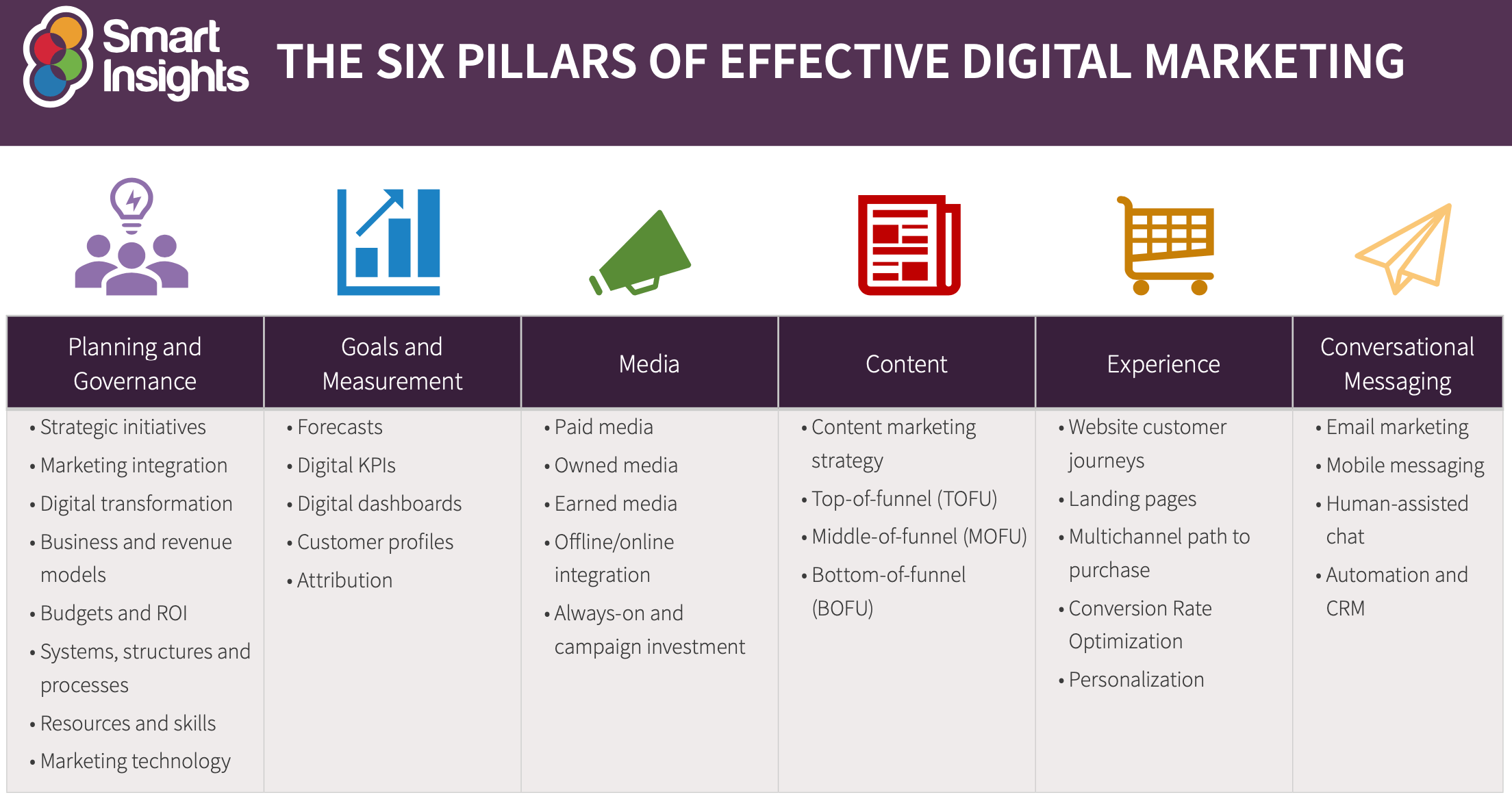
The six pillars comprising digital marketing
When training and consulting on digital strategy and as recommended in our free template, I recommend grouping digital activities in these six areas which each need someone responsible to manage them and improve results.
A focus on each of these is important regardless of the size of business. The pillars help show that success in digital marketing isn't just about digital media and platforms, important as they are. Creating an effective digital experience, messaging and quality content to fuel your digital strategy are all vital too.
In today's demanding digital landscape, there is internal and external pressure on marketers to continue to grow during inflation.
This simple division of digital best practices can also help students learn beyond the complexities of the different types. I have created this video to introduce these terms.
Free digital marketing plan template
Our popular marketing planning template is structured across these pillars and the Smart Insights RACE Framework. Join Smart Insights as a Free Member to download our digital marketing plan template today
How many different types of digital marketing are there?
Our six pillars of marketing represent six types of marketing activity, categorized by the role they play in your customer's experiences of your brand.
In smaller businesses, it may be one person such as a digital marketing manager responsible for all, or one for each pillar with many team members in larger businesses.
These 6 types are:
1. Strategy and governance (or management): Goals – Analytics, Strategy (Segmentation, Targeting, Brand Positioning), integration, marketing and sales alignment, resourcing, structure, marketing technology and data
2. Goals and measurement: Forecasts, digital reporting including KPI dashboards, attribution and customer insight
3. Media: Paid, owned, earned media including Search, Social and Display ads
4. Experience: Desktop / mobile website and apps. Customer service.
5. Messaging: Email, Chat, Social media, customer service, on-site interactions and personalization
6. Content: Product and blog content to fuel content marketing, PDF downloads, Interactive tools
How does digital marketing differ for B2B and B2C marketing?
Many of the largest brands in the world today including the digital platforms like Facebook (Meta) and Google (Alphabet) are consumer brands, but when considering how best to use digital strategies, it's important to consider business-to-business brands too. There are many B2B companies which often serve B2C brands.
Smart Insights developed our RACE Marketing planning framework so that it works equally in B2B and B2C markets. This is the case since it integrates your customers' digital experiences interacting with brands across Reach, Act, Convert and Engage - the full customer journey. You can download our free digital marketing plan template to find out more.
The 16 digital media activities forming digital marketing
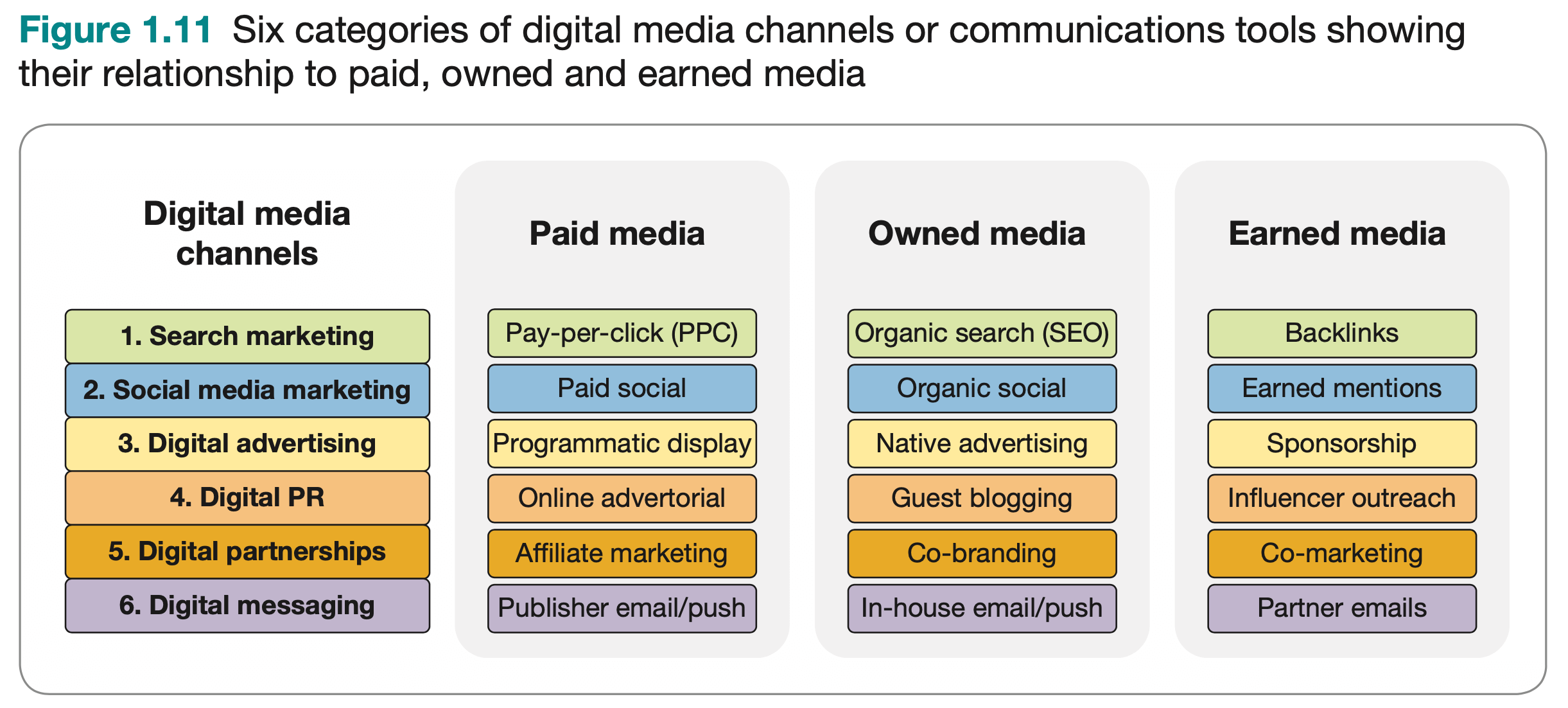
As I've mentioned, success in digital marketing requires mastering the details. In my book I explain how these 16 examples of different types of marketing technologies span 6 digital media channels, plus a range of paid media, owned media and earned media options.
1. Search engine marketing - Pay Per Click and Organic Search including backlinks.
2. Social media marketing - organic and paid social media marketing.
3. Digital advertising - native advertising, programmatic display and sponsrship.
4. Digital PR - online advertorial, guest blogging and influencer outreach.
5. Digital partnerships - Affliate marketing, co-branding anbd Co-marketing
6. Digital messaging - Publisher or in-house brand email marketing, Partner emails.
However, to be truly successful, digital techniques must also be integrated with traditional media such as print, TV, and direct mail as part of multichannel marketing communications. More importantly, now more than ever, you need to be able to demonstrate the value of your work.
The purpose of this article is to highlight these 10 reasons why you need a digital marketing strategy. You can read more about the 16 types of digital marketing techniques with more recommendations and examples in Dr. Dave Chaffey's What is digital marketing?
Where do I start when creating a plan?
I hope this article has shown the compelling reasons for creating a dedicated digital marketing plan to simplify your focus on digital marketing to the priorities that matter.
But where to start is a common question, since digital marketing is complex!
We created our RACE Growth system to simplify digital marketing planning as much as possible.
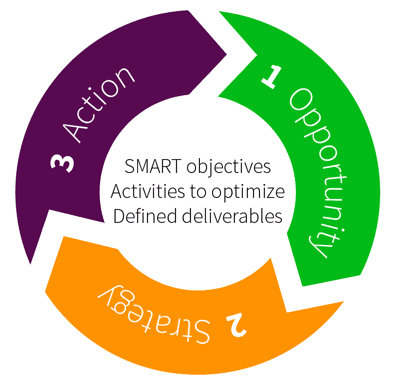
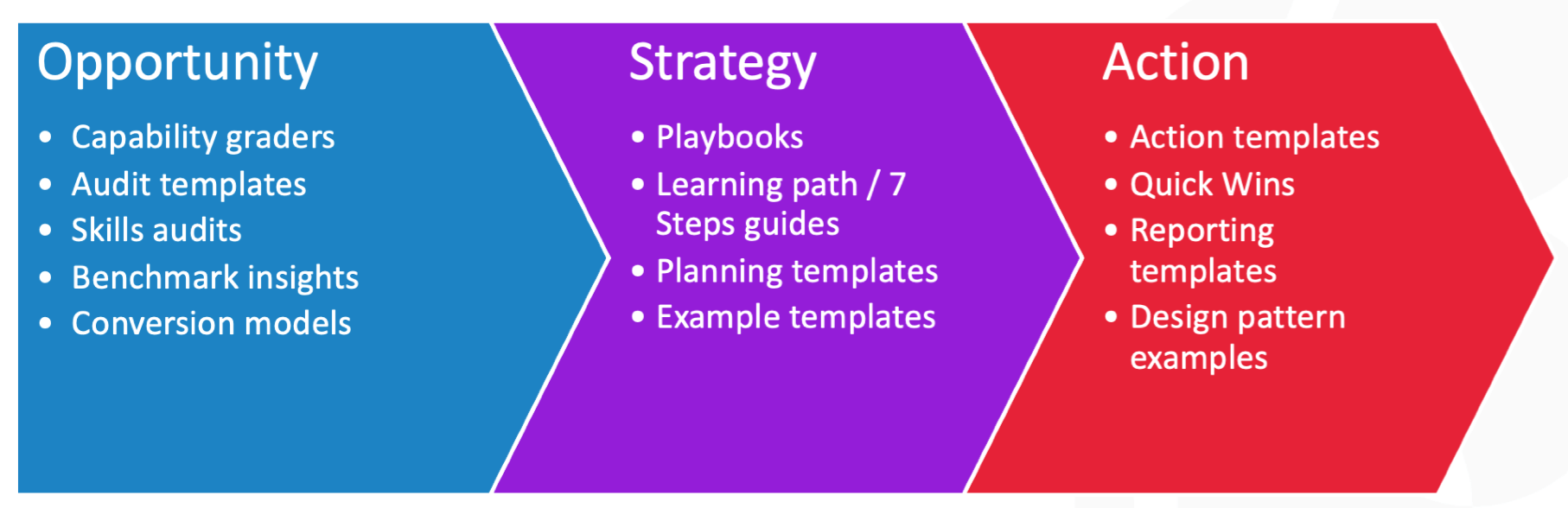
Your plan doesn't need to be a huge report, a strategy can best be summarized in two or three sides of A4 in a table linking digital strategies to SMART objectives within our OSA Framework - Opportunity, Strategy, Action.
As a Business Member, we can support you to get it right the first time through following our example planning templates for different sectors which are available as downloads in Word and Powerpoint.
Our Learning Paths are integrated with downloadable templates to help you audit your performance, set forecasts and create action plans. Each Learning Path includes different types of example templates in Excel, Powerpoint and Word from our resource library to help you create your action plans as you work through the Learning Path.
By Dave Chaffey
Digital strategist Dr Dave Chaffey is co-founder and Content Director of online marketing training platform and publisher Smart Insights. 'Dr Dave' is known for his strategic, but practical, data-driven advice. He has trained and consulted with many business of all sizes in most sectors. These include large international B2B and B2C brands including 3M, BP, Barclaycard, Dell, Confused.com, HSBC, Mercedes-Benz, Microsoft, M&G Investment, Rentokil Initial, O2, Royal Canin (Mars Group) plus many smaller businesses.
Dave is editor of the templates, guides and courses in our digital marketing resource library used by our Business members to plan, manage and optimize their marketing. Free members can access our free sample templates here.
Dave is also keynote speaker, trainer and consultant who is author of 5 bestselling books on digital marketing including Digital Marketing Excellence and Digital Marketing: Strategy, Implementation and Practice.
In 2004 he was recognised by the Chartered Institute of Marketing as one of 50 marketing ‘gurus’ worldwide who have helped shape the future of marketing.
My personal site, DaveChaffey.com, lists my latest Digital marketing and E-commerce books and support materials including a digital marketing glossary.
Please connect on LinkedIn to receive updates or ask me a question.