With changes in media distribution, marketers are rapidly adapting their methods of budgeting, reporting, and investing in paid, owned and earned media to reach and engage their customers
Investment in media is frequently grouped into the 3 media 'buckets' of earned, shared and paid which each give opportunities to influence customers. None of these media types are new, but what is new is the increasing prominence given to owned and earned media while paid media has always dominated in the past.
Digital media adoption and usage is constantly evolving in today's digital landscape. As of January 2024, 62% of the world's population uses social media. It's fair to say that paid, earned, and owned media offer marketers a never-ending array of new opportunities to win and retain more customers.
Current definitions of paid, earned, and owned media
In short - paid media means the content distribution has been paid for, whereas earned and owned media are both free. Earned media, similar to traditional 'word of mouth' is content about you shared by others, whereas owned media means the channels and platforms created and controlled by you. Read the full definitions below.
1. What is paid media?
- Defining paid media is the most simple. Paid or bought media are media where there is investment to pay for visitors, reach or conversions through search, display ad networks or affiliate marketing.
- Offline traditional paid media like print and TV advertising and direct mail remain important accounting for a large share of paid media spend.
- Digital diffusion means we are seeing more and more opportunities for targeted digital paid media such as online streaming and in-app ads.
Core Module

Create a social media strategy
Part of the Social media marketing Toolkit
Learn how to structure a social media strategy and translate it into practical actions to improve your goals
Learn More
Paid advertising trends in 2024
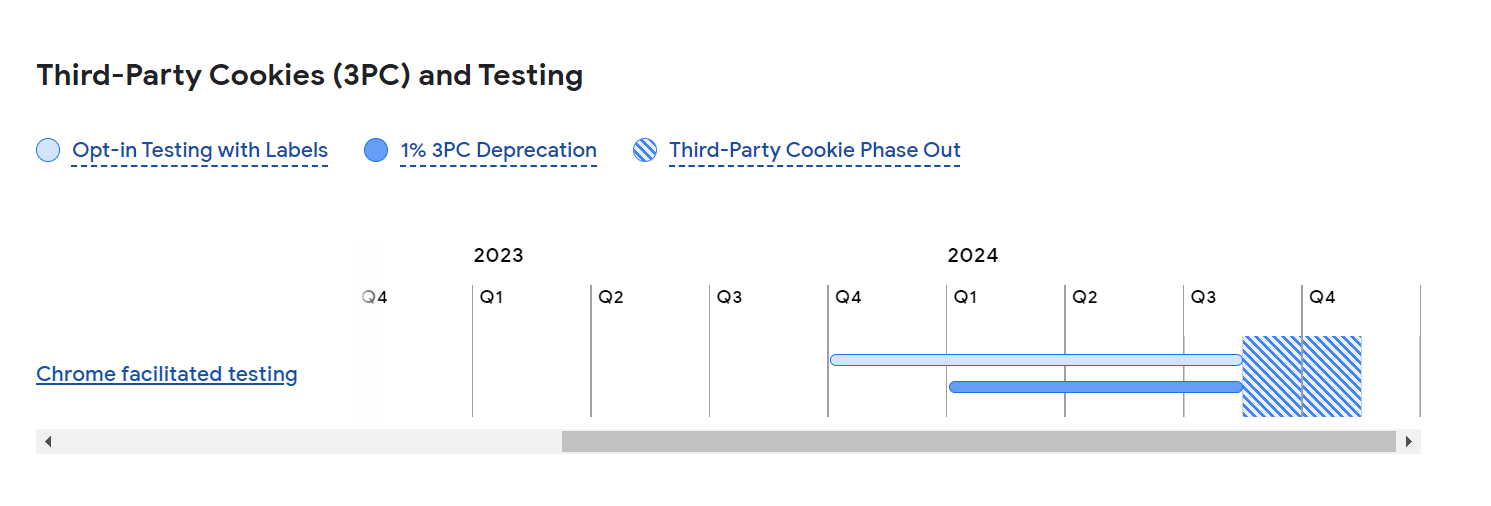
The roll out of cookieless ads is changing the way we plan and deliver paid media in 2024. Find out more about this shift and how to navigate it in our dedicated blog Cookieless advertising is coming, are you ready for it?
2. What is earned media?
- Traditionally, earned media has been the name given to publicity generated through PR invested in targeting influencers to increase awareness about a brand.
- Of course, it’s still an investment - whether time or money, or both. But this type of investment, when done well, has the most potential to instill customer trust through recommendations/advocacy.
- Earned media also includes word-of-mouth that can be stimulated through viral and social media marketing and includes conversations in social networks, blogs and other communities.
- It’s useful to think of earned media as developed through different types of partners such as publishers, bloggers and other influencers including customer advocates. Think of earned media as different forms of conversations occurring both online and offline.
Core Module

Influencer marketing
Part of the Content marketing Toolkit
Learn how to improve your process of influencer relationship management
Learn More
Earned media platforms and how to measure their value in 2024
It’s a positive move since it poses questions about how best to measure the returns from social media and set the investment at the right level. Now, with ever increasing marketing budget cuts, businesses need to reevaluate the value of earned media in particular within their social strategy for meeting their objectives at a lower cost per acquisition.
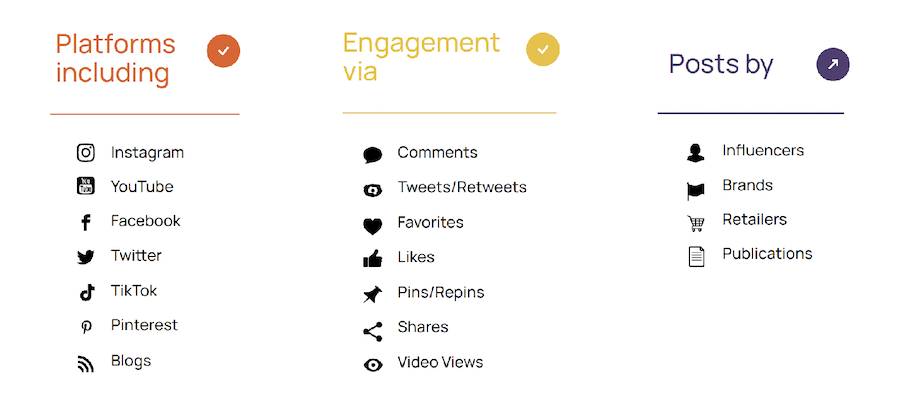
These useful infographics demonstrate the growing number of platforms and engagement types marketers must consider when optimizing their earned media strategies.
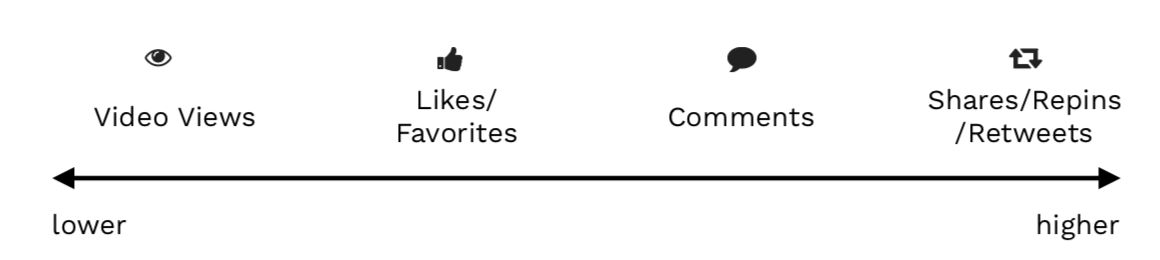
Within engagement types, it is generally agreed that some engagement forms are more valuable than others. For example, shares/repins/retweets increase social value and advocacy which in turn expands your reach even further.
In some sectors, there may be a tendency to focus more on the typically higher-cost paid media or lower-cost earned and owned media, but we recommend a balanced approach will often work best for "always-on" media activities, while for campaign objectives you may choose to 'dial up' a particular media/channel depending on your objectives.
Core Module

Select media investments
Part of the Digital marketing strategy and planning Toolkit
Discover three tools to review the effectiveness of different types of media for ‘always-on’ marketing
Learn More3. What is owned media?
- This is media owned by the brand. Online this includes a company’s own websites, blogs, mobile apps or their social presence on Facebook, Linked In or Twitter. Offline owned media may include brochures or retails stores.
- It’s useful to think of a company’s own presence as media in the sense that they are an alternative investment to other media and they offer opportunities to promote products using similar ad or editorial formats to other media. It emphasizes the need for all organizations to become multi-channel publishers.
Core Module
Digital strategy success factors
Part of the Digital marketing strategy and planning Toolkit
Learn how to define a structure and scope for your omnichannel marketing strategy
Learn More
How to integrate your paid, owned and earned media
- Each of the 3 media types offers today's digital marketer a plethora of approaches, and channels. As always, we recommend planning your goals and objectives before diving head-first into the world of media.
- As well as planning your own activity, setting clear digital marketing goals and objectives will help you get buy-in from colleagues and brief agencies better.
- Moreover, if you need to expand your paid media budget, you will need to have a clear justification to do so, and planning can help you produce the numbers to back this up.
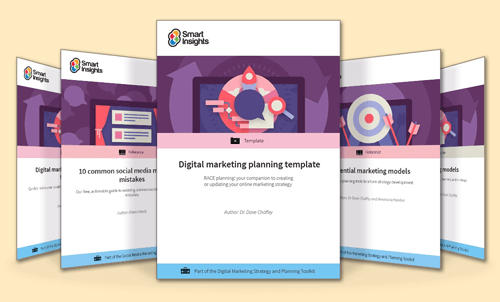
We recommend our Free Digital Marketing Plan Template as a first step towards an integrated marketing funnel.
Free digital marketing plan template
Our popular marketing planning template is structured across the Smart Insights RACE Framework. Join Smart Insights as a Free Member to download our digital marketing plan template today
Access the Free digital marketing plan template
Paid, owned, earned Venn diagram
- As you can see, there is overlap between the three different types of media. It is important to note this since achieving this overlap requires the integration of campaigns, resources and infrastructure throughout your multichannel marketing strategy.
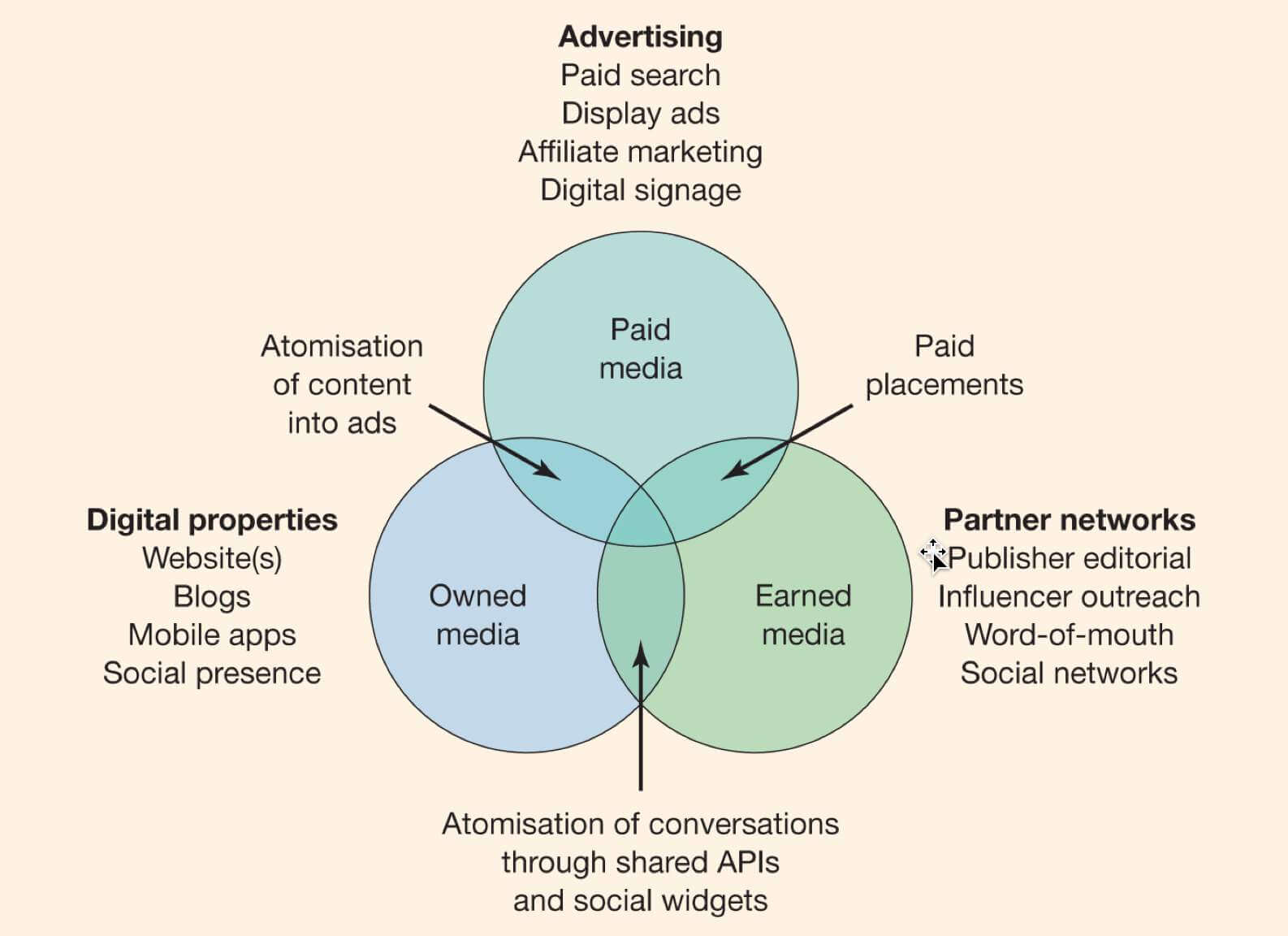
- A popular multichannel marketing tactic includes planning content on a content hub or site being broken down (atomized) and shared into other paid and earned media types.
- With the right budget, this activity could even be powered by APIs and widgets, taking the labour out of the task at hand. Clearly, multichannel marketing is key to unleashing the full power of your media content.
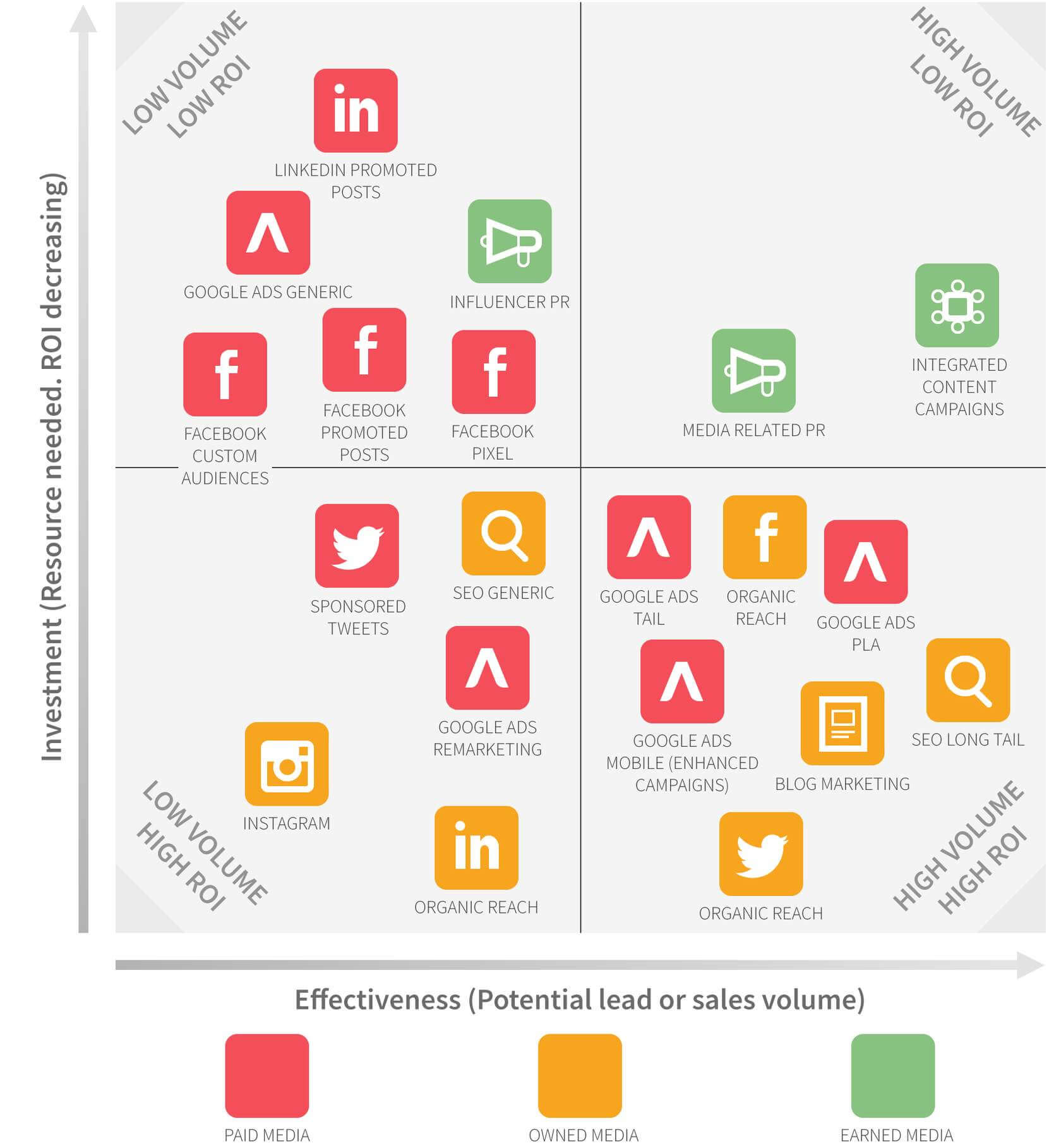
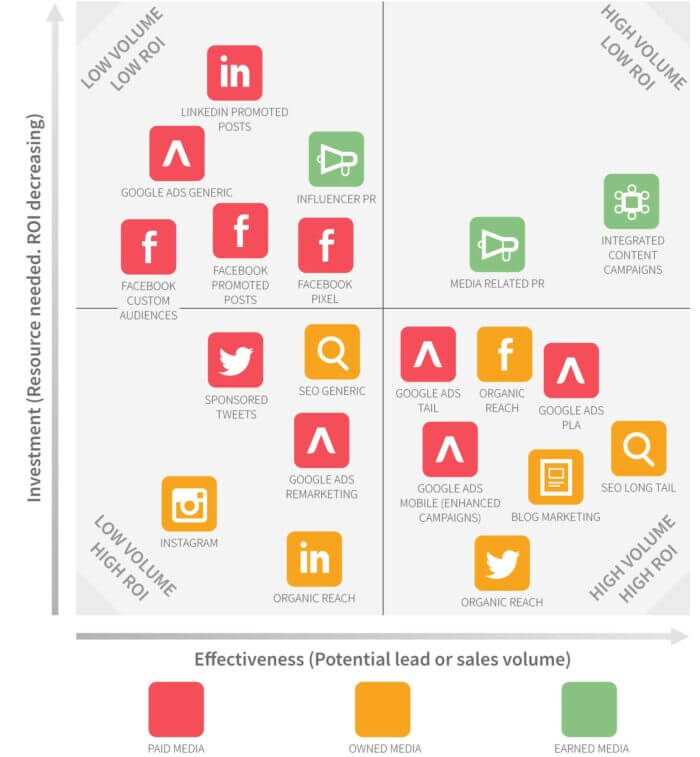
Media investments: The content distribution matrix
- When it comes to selecting media investment, our content distribution matrix tool helps to review the paid, owned and earned media options in terms of the value of the investment.
- It works both to review the effectiveness of existing media investments or consider future investments, in line with your objectives.
- Of course, the world of media is moving quickly so it pays to be scanning and anticipating media changes to continue to cut through the noise and reach your customers.
- Here's what our matrix looks like at the moment, although you may want to tweak yours according to your own internal findings:
- Low volume low ROI
- High volume low ROI
- Low volume high ROI
- High volume high ROI
Recommended content marketing training for paid, earned and owned media types
- This popular infographic is taken from our Content Marketing Learning Path, a practical, strategic training tool for developing your skills as a content marketer or manager and boosting your team's results from content marketing, for Individual and Business Members.
Core Module
Define a planned approach to content marketing
Part of the Content marketing Toolkit
Learn how to define an effective content marketing process for your business and market
Learn More
Brand Experience of paid owned and earned media
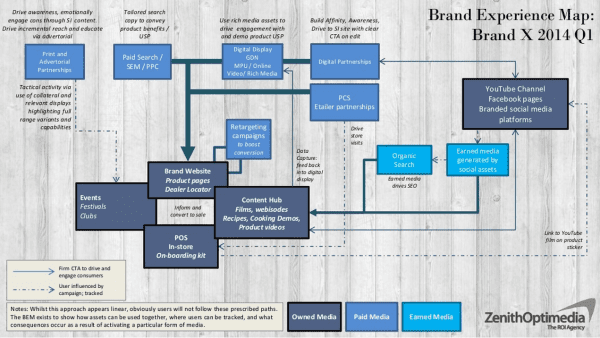
- Summarising a brand's current use of paid-owned-earned media is a powerful technique as part of marketplace analysis for developing marketing strategy.
- This marketplace mapping visualization presented by Rich Kirk at Brighton SEO over 5 years ago is still a great visualization for marketers today since it overlays different types of touchpoint point on the customer journey against Paid Owned and Earned media.
Media marketing for today's digital landscape
In conclusion, while none of these media types are new, digital marketers are certainly warming up to the opportunities available for owned and earned media types alongside paid media. You can use the diagrams/matrix to plan your media activity and dial-up your media mix according to your marketing plan.