What is PR Smith's SOSTAC® marketing planning model, what is the RACE Growth System, and how do you use them to win more customers?
If you don't know PR Smith's SOSTAC® model, it's worth getting to know if you're involved with planning marketing strategies or campaigns. SOSTAC® was voted the third most popular model in the CIM poll on marketing models because it's easy to remember and it makes it easy to structure plans for different planning activities.
So, whether you're creating an overall marketing or digital marketing strategy or improving individual channel tactics like SEO or email marketing, SOSTAC® is your friend. In this article, we will talk through applying the SOSTAC® planning model to your marketing strategy, with the RACE Growth System.
What is SOSTAC®?
SOSTAC® is a planning model, originally developed in the 1990s to help with marketing planning by PR Smith, who is my co-author on Emarketing Excellence.
SOSTAC® stands for:
- Situation – where are we now?
- Objectives – where do we want to be?
- Strategy – how do we get there?
- Tactics – how exactly do we get there?
- Action – what is our plan?
- Control – did we get there?
We've referenced this approach in creating our marketing planning template and I've also used it in my books applying it to the core aspects of digital marketing. You can see it gives a logical order for tackling your plan (with iterations) and you should also use it to critically assess your processes.
Through SOSTAC® and the RACE Growth System, you can ask, for example:
- What you may be weak at?
- Do we fail to complete proper situational analysis?
- Are our objectives SMART?
- Do we have an appropriate strategy? Tactics?
- Do we control performance using analytics?
How to use SOSTAC®
I think SOSTAC® has become popular since it's simple, easy to remember, and covers all the main issues that you need in a marketing plan or business plan. When you apply SOSTAC® and the RACE Growth System together, you can assess your marketing plan and create a data-driven strategy that is both deeply customer-centric and easy to action.
We receive positive feedback from lots of marketers who are already using one or both of these frameworks to inform their strategies. But some find the number of different steps confusing, or can't work out what to put in each bit. Obviously, the makeup of your plan will depend on what you're trying to cover, but if you're campaign planning don't miss my popular blog How to structure an effective campaign plan to win more customers - which includes both RACE and SOSTAC ® structures for this.
More tips for using SOSTAC ®
Here are some tips on how to use SOSTAC ® based on my experience of applying it in companies and seeing how students apply it in assignments.
We also have an example SOSTAC ® plan for Business Members available in Word for members to update for their plans.
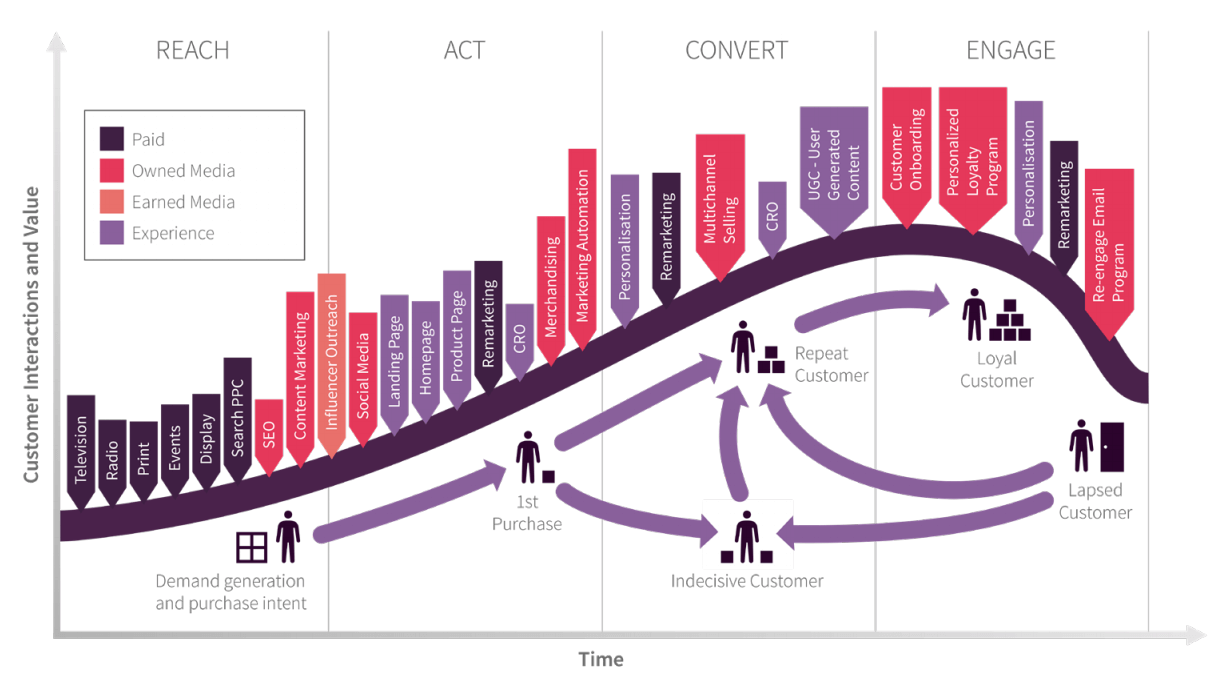
1. Use SOSTAC ® to review your process
Before looking at how you apply SOSTAC ® at each step to create a marketing plan, my first tip is to use it to review your planning process and how you manage your marketing.
Ask yourself critically about the activities you personally, and your organization, are good at. Maybe you spend too much or too little time reviewing the situation. Perhaps you're not so good at setting SMART objectives, or developing strategies to support them, or the control stage of assessing how effective your strategies and tactics are and adjusting them?
2. Get the balance right across SOSTAC ®
Often there is too much time spent on analysis within a plan and not enough on setting the strategies. I'd also say that for a student assignment, it's best to make reference to AC relatively brief, incorporating them into other sections.
So as a rule of thumb, this is how your balance of content could look:
S (20%) O (5%) S (45%) T (30%) = 100%
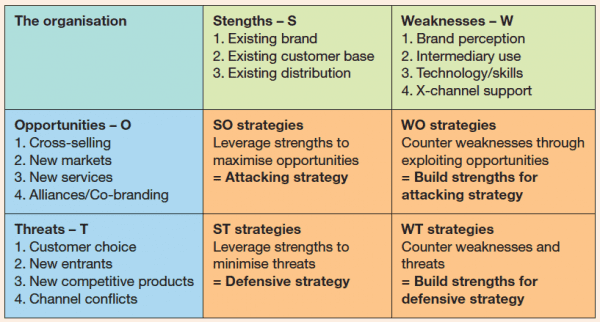
3. Summarise your situation in a TOWs matrix form of SWOT
To give focus to your situation analysis I recommend the so-called TOWs form of SWOT analysis. This helps integrate SWOT with strategy.
4. Make your goals SMART and link them to your analytics/control process
Since digital marketing is so measurable, it makes sense to be specific as possible about your goals by developing a funnel conversion model. You should also set up specific goals in Google Analytics.
But it's worth thinking about the full range of goals indicated by the 5Ss.
5. Integrate the different elements of your SWOT
Often there isn't good flow relating sections in a plan. To help this I recommend summarising your entire SOSTAC ® plan within a table which integrates strategies, situation, objectives and tactics.
Opportunity > Strategy > Action
If you're looking to build more concise, focused plans, we recommend using our Opportunity > Strategy > Action approach. By starting with identifying the opportunities for your business you can set strategies that directly support your goals. With opportunities informing your strategy make-up, you can prioritize and optimize the marketing activities that will drive your business forwards.
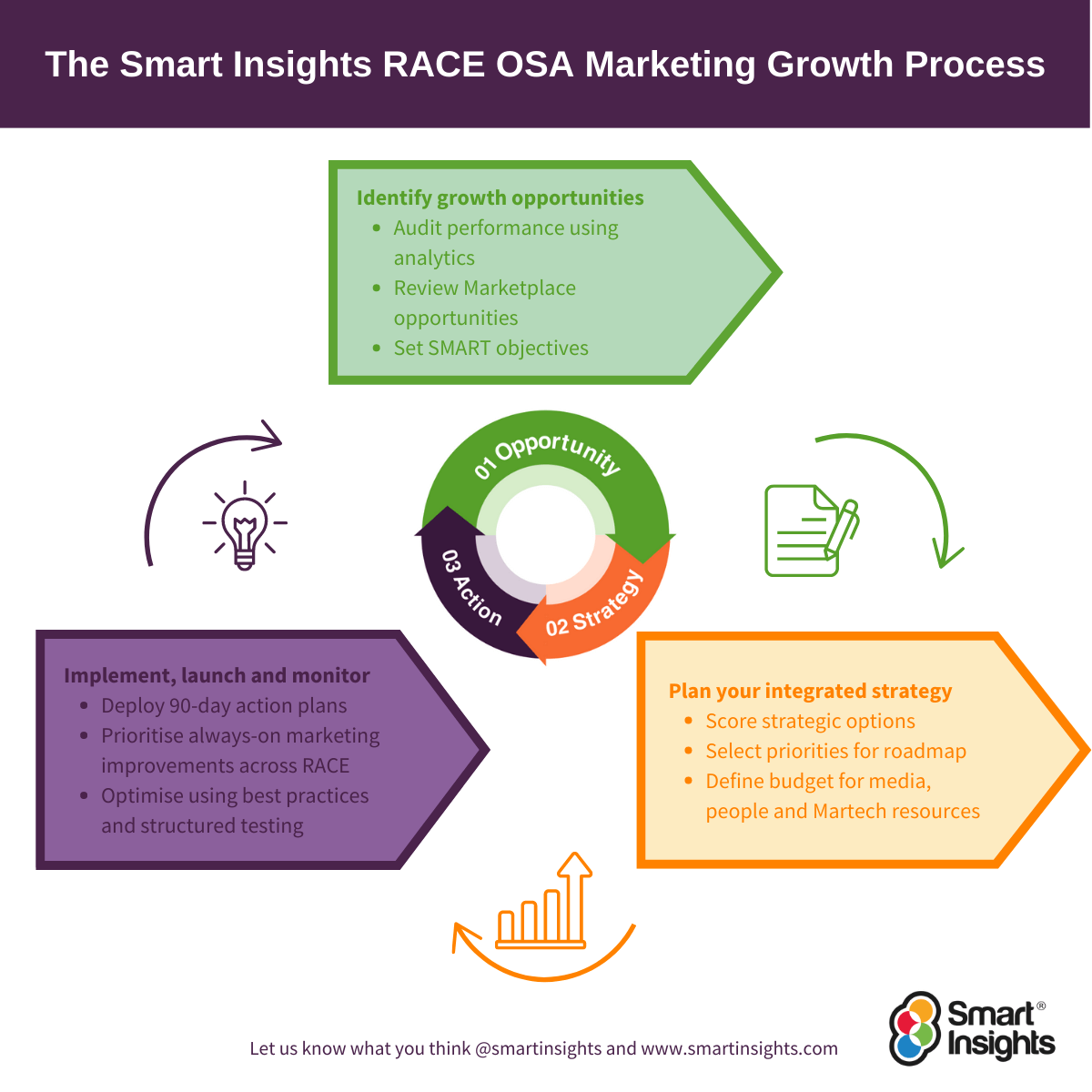
Download your free Smart Insights marketing plan today to start putting this into practice. We've structured it across the three sections of OSA to help you quickly get set up and start making real changes to move the needle of your marketing results.
Free marketing plan template download
Use our simple three-page Microsoft Word template to create a simple, practical marketing plan quickly.
Access the Free marketing plan template
Reference:
PR Smith (2011) The SOSTAC ® Guide - to writing the perfect plan by PR Smith (2011), published by www.prsmith.org and available at Amazon.